

An oil change sounds like the simplest service a shop offers, and for most cars it is. A European car oil change complicates that math. Turbocharged, direct-injection, and high-precision engines run hotter and tighter than the domestic engines most oil-change chains are built around, and using the wrong oil (or waiting too long between changes) wears them down faster than owners expect.
Quick Answer: European Car Oil Change
A European car oil change needs to match the manufacturer’s exact spec, not just the viscosity on the bottle. Most European makes require full synthetic oil certified to a specific approval number (VW 502.00, BMW LL-04, Mercedes 229.5, and similar), and intervals typically run 5,000 to 10,000 miles depending on the engine and driving conditions.
Why the Oil Spec Matters More Than People Think

Every bottle of “full synthetic” oil is not interchangeable. European manufacturers publish approval numbers tied to specific chemical formulations built for their engines: how the oil handles heat, how it interacts with emissions systems, and how it protects components under the loads a turbocharged engine generates.
- Using an oil without the correct approval can void warranty coverage on some engines
- Low-quality or mismatched oil accelerates carbon buildup on direct-injection engines
- The wrong viscosity affects oil pressure, which matters more on high-precision engines with tighter tolerances
Service Timing: Why “Every 3,000 Miles” Is Outdated Advice

Full synthetic oil formulated for European engines is built to last longer than conventional oil. Most manufacturers now specify intervals in the 7,500 to 10,000 mile range for normal driving, with severe-service conditions (short trips, extreme cold, towing) pulling that number down.
Reading Your Car’s Actual Interval
The interval on your dashboard reminder or in your owner’s manual reflects the manufacturer’s testing for that specific engine, not a generic industry standard. Sticking to it protects the parts of the engine that see the highest heat and pressure: turbochargers, variable valve timing components, and timing chains that run in oil rather than a separate housing.
What Happens When Owners Stretch It Too Far
Oil breaks down under heat over time, losing its ability to protect metal surfaces. On a European engine with a timing chain running in oil (common on many BMW and VW service engines), degraded oil accelerates chain stretch, which eventually throws timing codes or, in worse cases, causes real engine damage.
What Most Guides Miss
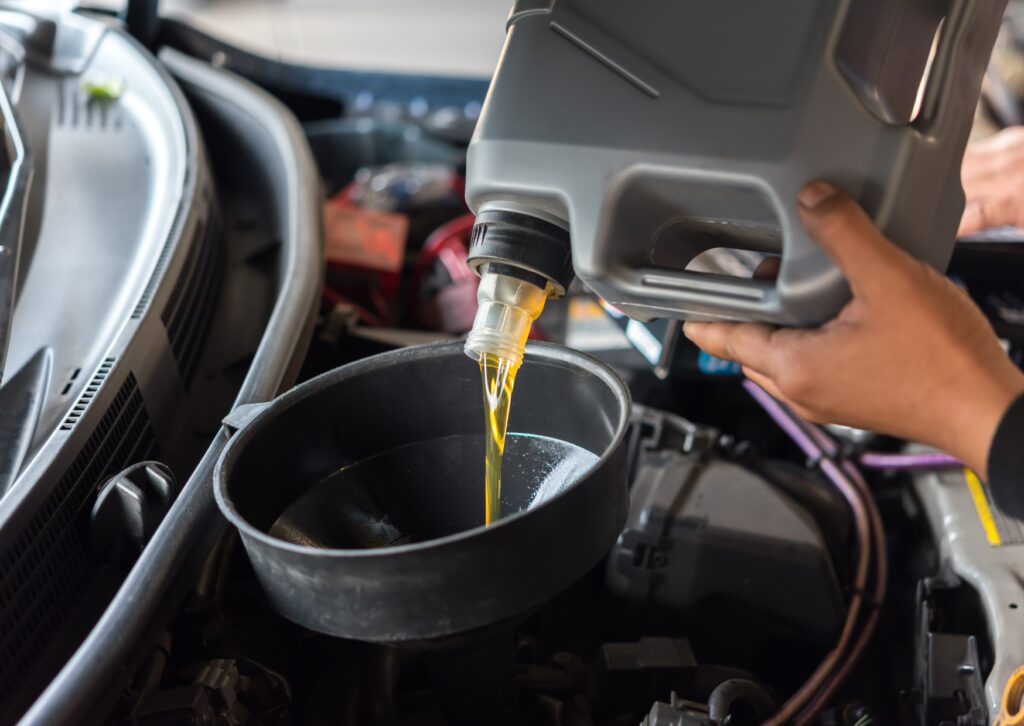
Most oil-change advice online treats all cars the same and just repeats “check your manual.” What gets left out: engine design determines risk level, not just brand. A naturally aspirated engine tolerates a slightly late oil change better than a turbocharged, direct-injection engine does, because the turbo runs oil through higher heat and pressure. If your European car has a turbo (and most modern ones do), treat the interval as a ceiling, not a target to stretch toward.
Another point rarely mentioned: oil filter quality matters as much as oil quality. A cheap filter on a European engine with tight oil galleries can restrict flow slightly, which matters more on an engine already running near its designed tolerances. This is one of those “small parts, real consequences” situations.
Brand and Model Considerations

Oil requirements vary enough between makes that a one-size approach doesn’t hold up.
- BMW maintenance schedules are particular about LL-04 approved oil, since BMW’s emissions systems and turbo components are tuned around that specific formulation
- Audi service intervals lean on the correct viscosity for quattro and TFSI turbo systems, where the wrong oil affects friction characteristics parts were engineered around
- Diesel and gas European engines often require entirely different oil chemistries, not just different weights
- Some higher-mileage European engines benefit from a slightly heavier viscosity than factory spec, a call best made by a technician who’s seen how that specific engine ages
Signs Your Oil Change Is Overdue
A dashboard reminder is the obvious signal, but a few other cues matter too: a burnt or acrid smell from the engine bay, oil that looks noticeably dark and thin on the dipstick, or a slight tick at startup that fades once oil pressure builds. None of these should be ignored on a European engine, where the margin for error is smaller than on a basic economy car. Low oil pressure at startup can also produce a faint knock that’s easy to confuse with suspension symptoms, which is another reason a proper diagnostic check matters before assuming the worst.
Choosing the Right Oil Filter and Parts
The oil itself gets most of the attention, but the filter and drain plug hardware matter too. Cheap aftermarket filters use thinner media that restricts flow slightly under cold starts, exactly when an engine needs oil pressure fastest. OEM-equivalent filters are built to the same flow specs the engine was designed around.
Crush washers and drain plug gaskets are another spot where shortcuts show up later. A reused crush washer can seep slowly over months, and by the time an owner notices a spot on the driveway, they’ve been running low on oil for weeks without realizing it. It’s a cheap part worth replacing every time.
How Often Should You Actually Check Between Changes

Even with the right oil and the right interval, a quick manual check between services catches problems early. Pull the dipstick once a month, especially before a long trip. Oil level dropping noticeably between changes, on a car that wasn’t doing that before, usually means a leak or, on some turbocharged engines, oil consumption through worn piston rings or valve seals. Either way, that’s worth mentioning to your shop before the next scheduled service rather than waiting. It’s the same logic that applies to an AC repair visit: catching a small symptom early almost always costs less than waiting for it to become a bigger one.
Final Thoughts on European Car Oil Change

The short version: use the exact oil spec your manufacturer calls for, respect the interval instead of stretching it, and don’t assume a generic quick-lube shop stocks the right formulation for your engine. European engines are precise machines, and oil is the one input that touches every moving part inside them. Call or text Metric Motors if you’re not sure what your car actually needs. We’ll check the spec and set you up on a schedule that fits how you drive.