

German engineering depends on tight tolerances, so shortcuts can quickly cause performance and reliability problems. Using fluids or parts that do not meet BMW’s requirements can increase the risk of performance or reliability problems, while any puddle under the vehicle should be diagnosed promptly. Following BMW’s maintenance requirements from the start can support the vehicle’s long-term performance and reliability.
Quick Answer: What Does BMW Maintenance Actually Require?

For BMW models with internal-combustion engines, maintenance includes using BMW-approved full-synthetic oil with the viscosity and approval specified for the vehicle, selecting properly manufactured parts that meet the application’s requirements, and following the vehicle’s maintenance information and owner’s manual. Using incorrect fluids, unsuitable parts, or improper maintenance intervals can increase the risk of premature wear, malfunctions, and costly repairs. The short version: BMW maintenance requirements are model-specific, so fluids, parts, and service procedures should match the vehicle’s documented specifications.
Why BMW Engines Require the Correct Oil
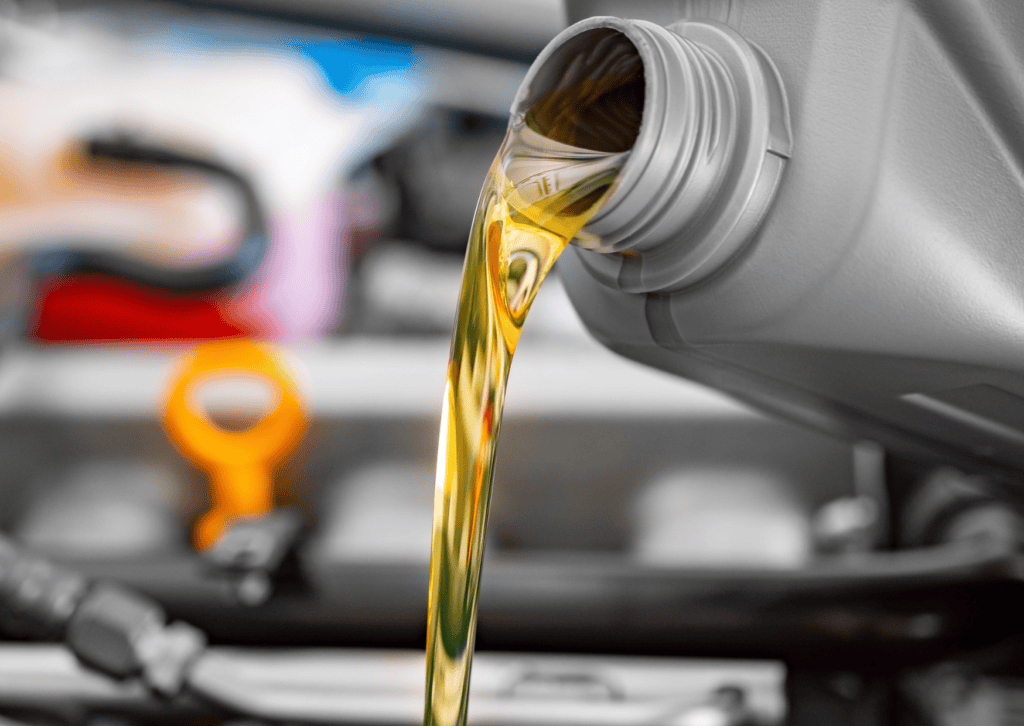
BMW specifies approved full-synthetic oil, but the required viscosity and approval depend on the vehicle’s engine, model year, and operating requirements. This requirement is based on how the engine is designed, not marketing.
Using the correct oil helps:
- Maintain proper viscosity during cold starts
- Protect the engine at highway temperatures
- Lubricate components built with tight internal clearances
- Support reliable performance during Colorado’s temperature swings, from sub-freezing winter mornings to summer afternoons in the 90s
Using the wrong oil weight or delaying an oil change can:
- Accelerate wear on valve train components
- Damage turbocharger bearings
- Contribute to oil leaks
- Allow contaminants and degraded oil to reduce lubrication and contribute to engine wear
- Lead to oil spots underneath the vehicle
When diagnosing an oil leak in a BMW, a technician should first confirm the source and inspect relevant gaskets, seals, housings, and nearby components before recommending repairs.
OEM-Spec Parts Matter More Than People Think

Aftermarket parts aren’t inherently bad, but “fits a BMW” and “built to BMW’s spec” are two different claims. Sensors, ignition coils, and filters that do not meet the vehicle’s operating requirements may cause performance problems or trigger diagnostic fault codes even when no visible defect is apparent.
If the check engine light flashes after a repair, the vehicle should be diagnosed promptly because a flashing malfunction indicator light can indicate a catalyst-damaging misfire. Ignition coils are a textbook example. An unsuitable or failing ignition coil may misfire under load and trigger a cylinder-specific misfire fault that requires proper testing to identify the failed component. Parts that meet the vehicle’s requirements may reduce the risk of repeat repairs, although the initial and long-term costs depend on the component, manufacturer, warranty, installation, and vehicle use.
Building a BMW Maintenance Schedule That Actually Works

On BMW models with internal-combustion engines, the maintenance system uses sensors, algorithms, elapsed time, mileage, and driving-profile information to forecast service needs for items such as engine oil, front and rear brake pads, brake fluid, and vehicle checks. That information is useful, but it cannot replace a physical inspection because CBS does not detect worn control arm bushings or a subframe mount that has started clunking over potholes on Highway 34.
Colorado road conditions can contribute to suspension wear, and the resulting symptoms may be more noticeable in BMW models equipped with sport-oriented suspension tuning. If you’re hearing unusual noises from the suspension on rough pavement or expansion joints, that’s worth a look alongside your regular service, not after it. Suspension wear may affect handling, ride quality, steering response, alignment, tire wear, or noise, and the symptoms do not always appear in a predictable order.
A solid BMW maintenance schedule combines CBS data with practical preventive inspections that identify worn components before they cause a breakdown. Combine that approach with factory-scheduled service to address both electronically monitored components and wear items that require a physical inspection.
What Most Guides Miss

Oil and filters are only part of BMW maintenance, which can also include brake fluid, brake pads, vehicle checks, spark plugs, and model-specific drivetrain-fluid service. Coolant specifications are an important detail that every repair facility should verify before servicing a BMW cooling system. BMW coolant requirements vary by model and model year, so the cooling system should be filled only with the prescribed coolant type and mixture listed in the applicable service information.
The same logic applies to more than just coolant:
● Brake fluid, which should meet the DOT 4 or DOT 4 LV requirement specified for the particular BMW application.
● Power steering fluid on BMW models with hydraulic steering, which should match the fluid specified for that particular system.
● Differential and transfer-case fluids on applicable BMW models, which must meet the specifications for the exact component and vehicle.
“It looks the same” isn’t the same as “it’s rated the same.” A repair facility should verify each fluid against the model-specific BMW requirement instead of relying only on a general compatibility label.
Final Thoughts on BMW Maintenance
BMW maintenance isn’t complicated, but it is specific. The correct oil, properly specified parts, and a service schedule that combines vehicle data with physical inspections can support dependable operation as a BMW accumulates mileage. Choosing unsuitable fluids, parts, or service procedures may reduce the immediate cost but can increase the risk of additional repairs later.

If your BMW is due for service, or something doesn’t sound right, call Metric Motors at 970-667-2044 or schedule online. We’ve been Loveland’s import specialist since 1976, and we service BMW vehicles according to their model-specific maintenance requirements.