

If you have been noticing rough idle, slow acceleration, unusual noises, or a check engine light, those can be clear signs your car needs a tune-up. This guide breaks down what a modern tune up checks, from spark plugs and filters to right fluids, belts, hoses, and fuel system basics, so your vehicle stays safe, efficient, and running smoothly.
What Are the Most Common Signs Your Car Needs a Tune-Up?
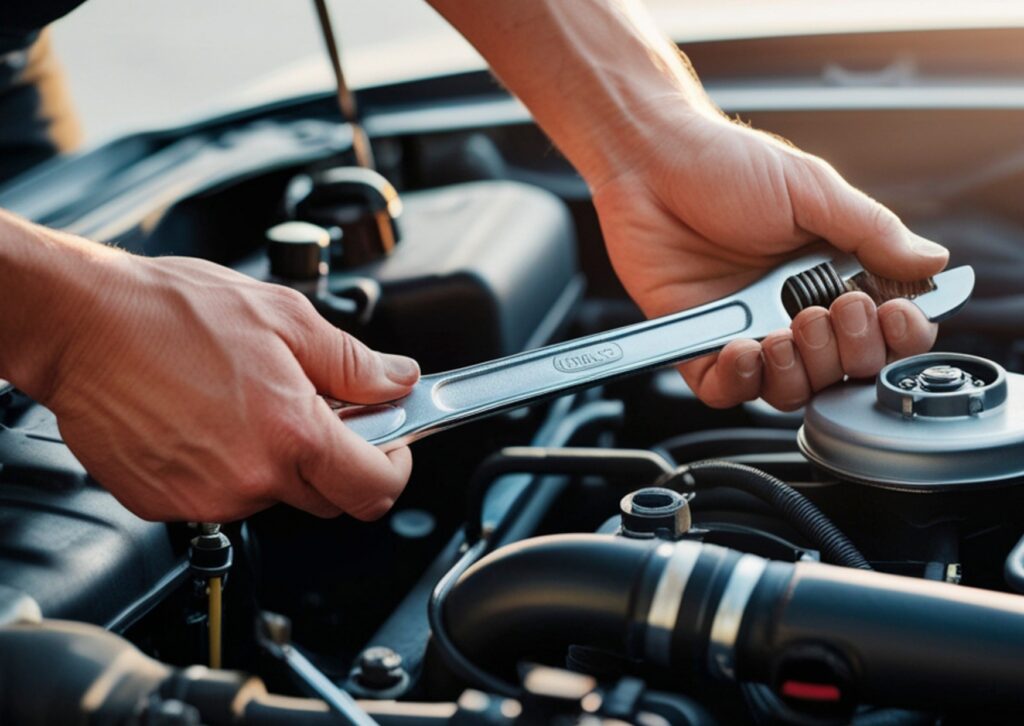
Most people do not notice a problem all at once. They notice patterns. The car feels a little different on Monday, then worse by Friday. If you have been searching for signs your car needs a tune-up, you are probably picking up on those patterns already.
Here are the most common warning signs your car is asking for help:
- A rough idle that makes the engine feel shaky at stoplights
- Slow acceleration that makes on-ramps feel stressful
- Poor fuel economy or dropping fuel efficiency, even on the same commute
- An engine misfire that feels like stumbling, hesitation, or a sudden loss of power
- A check engine light, engine light, or other warning lights that stay on or return
- Unusual noises like squealing, knocking, ticking, or grinding
- Hard starting, especially first thing in the morning
- A steering wheel that feels off, such as vibration, pulling, or stiff turning
These are classic signs your car needs attention because they usually trace back to the same core systems: the ignition system, the fuel system, airflow, and the right fluids that keep everything moving smoothly. Ignoring warning signs can lead to costly repairs and even expensive repairs that could have been avoided with a basic inspection.
What Does a Tune Up and Car Tune Up Mean Today, and What Should a Tune Up Take?

A tune-up today is less about “adjusting” and more about checking what wears out, what gets dirty, and what loses its ability to do its job. A modern car tune-up focuses on inspection, testing, cleaning, and replacing parts that affect starting, smoothness, and car’s efficiency.
A solid tune-up often includes:
- Checking spark plugs for wear and replacing worn spark plugs with new spark plugs when needed
- Inspecting ignition wires and plug wires for cracking, weak connections, or corrosion
- Inspecting the air filter and watching for clogged air filters that restrict airflow
- Replacing cabin air filters to keep airflow clean inside the vehicle
- Reviewing oil changes, checking oil condition, and replacing the oil filter when due
- Looking for dirty oil or signs of contaminating particles that can accelerate wear
- Reviewing key fluids such as brake fluid, power steering fluid, transmission fluid, and other fluids
- Inspecting belts and hoses, especially the drive belt and cooling hoses
- Checking the battery to reduce surprises like a dead battery
- Scanning for stored codes when the engine light or check engine light appears
This is where regular tune ups and regular check ups pay off. You are not just “doing maintenance.” You are protecting the engine, reducing stress on electrical components, and keeping the car running smoothly so small problems do not turn into bigger ones.
How Do Spark Plugs, Ignition Wires, and the Ignition System Affect an Engine Tune-Up?

If your car feels like it is losing power or running unevenly, ignition is a smart place to start. Your ignition system is responsible for lighting the air and fuel mixture at the right moment. When it does not, the engine cannot deliver consistent power.
This is how ignition problems show up in real life:
- Worn spark plugs can cause weak spark, misfires, and rough idle
- Old ignition wires and plug wires can leak voltage and trigger engine misfire
- Weak connections and aging electrical components can disrupt ignition timing
- Ignition timing problems can make the engine’s performance feel sluggish or unstable
- When spark is inconsistent, the engine may use more fuel and lose fuel economy
You might notice:
- Slow acceleration and hesitation when you press the pedal
- A “stumble” under load, like climbing a hill
- A check engine light that comes and goes
- The car feels like it cannot stay in a smooth rhythm
A proper engine tune up looks at the whole picture, not just one part. That means checking spark plugs, ignition wires, and the ignition system as a unit. When those pieces are working correctly, your engine can run cleaner, smoother, and closer to optimal performance.
Why Can the Steering Wheel and Right Fluids Point to Brake Fluid, Power Steering Fluid, and Transmission Fluid Issues?

Not every tune issue feels like an engine issue at first. Sometimes the clue is in how the car steers, stops, or shifts. That is why a car tune up should include a quick look at the right fluids and how the vehicle feels on the road.
If your steering wheel feels heavy, jerky, or noisy during turns, power steering fluid may be low, old, or contaminated. If the brake pedal feels soft or braking feels inconsistent, brake fluid could be overdue or there could be a leak. If shifting feels delayed or harsh, transmission fluid condition can be a factor.
Here are common signs tied to fluids:
- Steering wheel stiffness or whining sounds when turning
- The brake pedal that feels spongy or takes longer to respond
- Shifting that feels delayed, rough, or inconsistent
- Visible leaks under the car or fluid smells after driving
Fluids can also carry contaminating particles over time. When that happens, wear speeds up. You might also feel vibration through the steering wheel due to tire and suspension issues, especially when the rotating force from the wheels is not balanced properly. Even though this is not always a “tune-up” item by itself, it is still a sign your car needs a closer inspection so the vehicle stays safe and stable.
How Can a Fuel Filter and Fuel System Problems Hurt Fuel Efficiency and Fuel Economy?

The other half of performance is fuel delivery. If ignition is the match, fuel is the supply. When something in the fuel system is restricted or dirty, the engine may run lean, lose power, and burn more fuel than it should.
Common fuel system issues include:
- A clogged fuel filter occurs when your vehicle uses a serviceable fuel filter
- Fuel injectors that are dirty and cannot spray fuel properly
- Fuel pressure issues that reduce power and responsiveness
When fuel delivery is not right, drivers often notice:
- Dropping fuel efficiency and worse fuel economy
- Slow acceleration and hesitation
- Rough idle and inconsistent power
- The engine’s performance feels weaker than normal
- The car seems to need more fuel for the same daily driving
Fuel system inspections and maintenance can support optimal performance and help prevent costly repairs. If your car needs a tune, fuel delivery should be part of the conversation, especially if the symptoms show up during acceleration or under load.
What Do Unusual Noises, Warning Lights, and the Check Engine Light Mean for Immediate Attention?

Warning lights and strange sounds are your car’s way of raising its hand and saying something is not right. A check engine light does not always mean “stop immediately,” but it does mean you should not ignore it. The same is true for unusual noises.
Pay attention to:
- Squealing that may point to belt wear
- Knocking or ticking that may signal engine trouble or low oil
- Grinding can indicate mechanical wear
- Hissing that might suggest a vacuum leak
- A check engine light that appears after refuelling
- Warning lights that stay on after startup
If the engine light is on, a scan can help narrow down whether you are dealing with an ignition system issue, a fuel system issue, or a sensor problem tied to other electrical components. The key is immediate attention before a small fault becomes expensive repairs.
Even when the car still drives, warning signs matter. A vehicle can feel “mostly fine” while quietly losing car’s efficiency and building up damage in the background. Treat warning lights and unusual noises like early smoke, not a full fire.
How Should Your Owner’s Manual Guide Regular Tune Ups, Regular Check Ups, and Timing Belt Care?

If you want the cleanest, most reliable plan for tune-ups, start with your owner’s manual. It tells you what your specific engine and vehicle need, and when. It also helps you plan around mileage so you are not guessing.
Your owner’s manual typically covers:
- Recommended intervals for regular maintenance and regular tune-ups
- Oil changes and oil filter timing
- Filter change intervals for air filter and cabin air filters
- Fluid service timing for transmission fluid, brake fluid, power steering fluid, and other fluids
- Major wear items like timing belt intervals, if your vehicle uses a timing belt
- Cooling system service items such as water pump checks, depending on design
Many factors affect these intervals, including how you drive, how often you sit in traffic, temperature swings, and whether the vehicle is a used car with unknown service history.
Timing belt service deserves special respect because the consequences of failure can be severe. If your owner’s manual says the timing belt is due, do not stretch it. The best case is being stranded. The worst case is major engine damage that leads to costly repairs.
Following the owner’s manual and keeping up with regular check ups is one of the simplest ways to keep your car in good shape and top shape for the long haul.
What Should You Do Next If You See Signs Your Car Needs a Tune Up?

If you are noticing signs your car needs a tune up, the best next step is to stop guessing and start inspecting. A good tune-up service is not about throwing parts at a problem. It is about verifying what is worn, what is dirty, and what is no longer working correctly.
Here is a simple, practical plan:
- Start with the symptoms like rough idle, engine misfire, slow acceleration, unusual noises, and warning lights.
- Check basics that affect performance, including oil level and whether the oil looks like dirty oil.
- Inspect spark plugs and decide whether worn spark plugs should be replaced with new spark plugs.
- Inspect ignition wires and plug wires for damage or weak connections in the ignition system.
- Review filters, including air filter, cabin air filters, and fuel filter when applicable.
- Review fluids to confirm the right fluids are present, clean enough, and at proper levels, including brake fluid, transmission fluid, and power steering fluid.
- Review your owner’s manual schedule and compare it to your mileage and real driving conditions.
A car tune up done the right way supports fuel efficiency, helps ensure optimal performance, and reduces the odds of expensive repairs later. Most importantly, it enables you to trust your car again because you know what is going on under the hood.
In the end, the goal is not to chase perfection. The goal is keeping the engine strong, keeping the vehicle safe, and catching problems early. When you respond to warning signs and keep up with proper maintenance, you give your car the best chance to stay reliable for years.
Schedule your next inspection or tune-up service at Metric Motors. Call today at 970-667-2044.
Works Cited
“Car Tune-Ups for Peak Performance.” AutomotiveRepairLoveland.com, https://automotiverepairloveland.com/services/tune-ups/. Accessed 16 Jan. 2026.
“How Much Does a Vehicle Tune-Up Cost in Loveland, CO?” AutomotiveRepairLoveland.com, https://automotiverepairloveland.com/car-maintenance-loveland/how-much-does-a-vehicle-tune-up-cost-in-loveland-co/. Accessed 16 Jan. 2026.
“How a Tune-Up Keeps Your Car Running Its Best: What Every Driver Needs to Know.” AutomotiveRepairLoveland.com, https://automotiverepairloveland.com/auto-mechanic-loveland/how-a-tune-up-keeps-your-car-running-its-best-what-every-driver-needs-to-know/. Accessed 16 Jan. 2026.
“Skipping a Tune-Up Is Hurting Your Car: Boost Performance, Efficiency, and Engine Longevity.” AutomotiveRepairLoveland.com, https://automotiverepairloveland.com/auto-repair-loveland/skipping-tune-up-hurting-car/. Accessed 16 Jan. 2026.
“Unveiling the Secrets of Vehicle Tune-Ups: Your Road to a Healthy Car.” AutomotiveRepairLoveland.com, https://automotiverepairloveland.com/car-maintenance-loveland/unveiling-the-secrets-of-vehicle-tune-ups-your-road-to-a-healthy-car/. Accessed 16 Jan. 2026.
“What Is a Tune Up? Keep Your Car Running Smoothly.” AutomotiveRepairLoveland.com, https://automotiverepairloveland.com/auto-engine-repair-service/what-is-a-tune-up-keep-your-car-running-smoothly/. Accessed 16 Jan. 2026.
“10 Signs Your Car Needs a Tune-Up: Spot and Fix Issues Early.” AutomotiveRepairLoveland.com, https://automotiverepairloveland.com/car-maintenance-loveland/10-signs-your-car-a-needs-tune-up/. Accessed 16 Jan. 2026.
“Auto Fuel System Repair in Loveland.” AutomotiveRepairLoveland.com, https://automotiverepairloveland.com/auto-fuel-system-repair-in-loveland/. Accessed 16 Jan. 2026.
“Guide to Fuel System Repair: Techniques, Tips, and Best Practices.” AutomotiveRepairLoveland.com, https://automotiverepairloveland.com/fuel-system-repair/guide-to-fuel-system-repair/. Accessed 16 Jan. 2026.
“What Are Some Common Fuel System Problems and Their Symptoms?” AutomotiveRepairLoveland.com, https://automotiverepairloveland.com/fuel-system-repair/what-are-some-common-fuel-system-problems/. Accessed 16 Jan. 2026.