

Volkswagens have a reputation for being fun to drive and, if you ask around, a little unpredictable to own past the warranty period. Some of that reputation is earned. Direct-injection engines, dual-clutch transmissions, and a handful of well-known trouble spots mean a VW rewards an owner who stays ahead of small problems and punishes one who waits for a warning light.
Quick Answer: What Volkswagen Repair Issues Come Up Most Often?
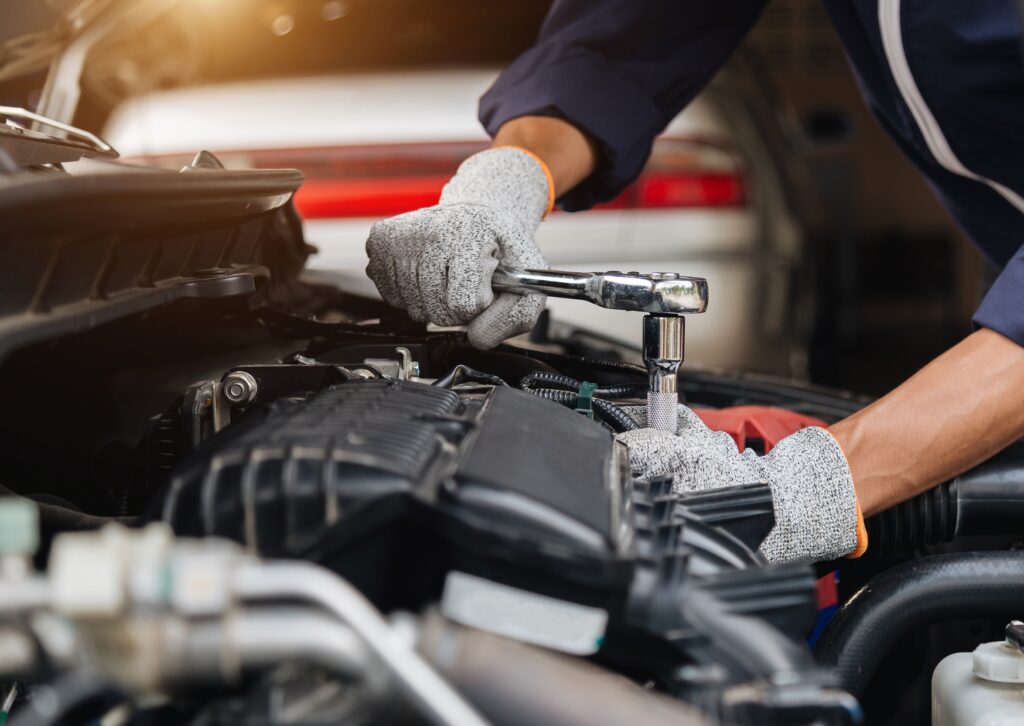
The most common Volkswagen repair issues are carbon buildup on direct-injection intake valves, water pump and thermostat housing failures on TSI engines, and DSG transmission fluid and mechatronic issues on cars with the dual-clutch gearbox. Our shop’s work on European vehicles means we catch all three early, before they turn into bigger repairs. None of them are unique to a bad batch of cars. They’re known characteristics of the platform.
Common Volkswagen Repair Issues We See in Loveland
Carbon buildup is the one most owners never hear about until it’s already causing a rough idle or a misfire. Direct-injection engines spray fuel straight into the cylinder instead of across the intake valve, which means there’s no fuel washing carbon deposits off the back of the valve the way there was on older port-injected engines. Over 40,000 to 60,000 miles, that buildup can get thick enough to disrupt airflow and cause a noticeable loss of smoothness. The fix is a walnut-blast cleaning, a mechanical process that physically removes the deposits without introducing chemicals into the intake.
Cooling system components are the second pattern worth watching. Plastic water pump housings and thermostat assemblies on the EA888 TSI engines (shared with several Audi models) are known to develop small coolant leaks as the plastic ages and the seals harden. Catching a slow coolant loss early, before the temperature gauge ever moves, is far cheaper than catching it after an overheat.
A slipping serpentine belt or a worn accessory drive pulley is the third pattern that shows up often enough to mention. These parts don’t fail without warning most of the time. A faint squeal on cold startup, a belt that looks glazed rather than matte, or a pulley with visible wobble are all signs worth a look before the belt lets go on the road.
The DSG Transmission Deserves Its Own Attention
If your VW has the dual-clutch DSG transmission, preventive maintenance on that unit isn’t optional the way it might feel on a traditional automatic. DSG fluid and filter service is typically recommended around 40,000 miles, tighter than most conventional transmissions. Skipping it doesn’t usually cause a sudden failure. It shows up gradually, as hesitation, harsh shifts, or a shudder from a stop, and by the time an owner notices, the mechatronic unit is often already stressed.
The mechatronic unit itself, which houses the transmission’s electronics and hydraulics, is the expensive part to protect. It’s not designed to be rebuilt cheaply, and by the time it’s failing outright, the repair bill is nowhere near what a handful of fluid services would have cost over the same mileage. Owners who keep up with the DSG interval rarely see mechatronic problems at all. Owners who stretch it two or three times past due are the ones who usually end up needing the bigger repair.
What Most Guides Miss: The Interval Isn’t the Whole Story

Generic maintenance advice treats every VW the same regardless of engine and transmission combination, which misses the point entirely. A TSI engine with a DSG transmission has almost nothing in common, service-wise, with an older TDI diesel or a naturally aspirated model. Our approach starts with identifying the exact engine and transmission code before recommending anything, because the interval that’s correct for one VW can be years off for another with the same badge on the trunk.
Reading Early Warning Signs
A few signs are worth acting on before they become a full repair:
- A rough or uneven idle that wasn’t there a few months ago
- A faint sweet smell or a slow drop in coolant level with no visible puddle
- Hesitation or a shudder when the DSG transmission shifts from a stop
- A check engine light with a misfire code, especially on higher-mileage direct-injection engines
A Practical Preventive Maintenance Routine

None of the issues above require a dramatic intervention if they’re caught early. A practical approach means a few habits done consistently rather than one big fix done late:
- Track coolant level at every oil change, not just when the light comes on
- Have carbon buildup checked around the 60,000-mile mark even without symptoms
- Follow the DSG fluid interval on the shorter side if the car sees mostly city driving
- Keep a written service checklist so nothing gets skipped between visits
A car that gets this kind of attention rarely turns into an expensive surprise. One that only gets looked at when something already feels wrong almost always does.
Keeping Up With Volkswagen Repair and Preventive Maintenance

Metric Motors and Loveland Tire & Service logos representing local automotive repair specialists
Volkswagen repair doesn’t have to be a series of surprises. Carbon buildup, cooling system wear, and DSG maintenance are all predictable, well-documented parts of owning these cars, and every one of them is manageable with the right attention at the right mileage. The owners who get the most trouble-free years out of a VW aren’t the ones who got lucky. They’re the ones who kept up with basic maintenance instead of waiting for a warning light.
If your VW is due for a carbon check, a cooling system inspection, or you’re just not sure what your specific engine and transmission combination actually needs, call or text us at 970-667-2044 and we’ll walk you through it.