

A check engine light can be confusing, especially when you’re trying to decide whether it is safe to keep driving. This guide explains the difference between a flashing check engine light and a solid check engine light in simple terms so Loveland drivers can make a safer, more informed decision.
What Is the Key Difference in Flashing Check Engine Light vs Solid?
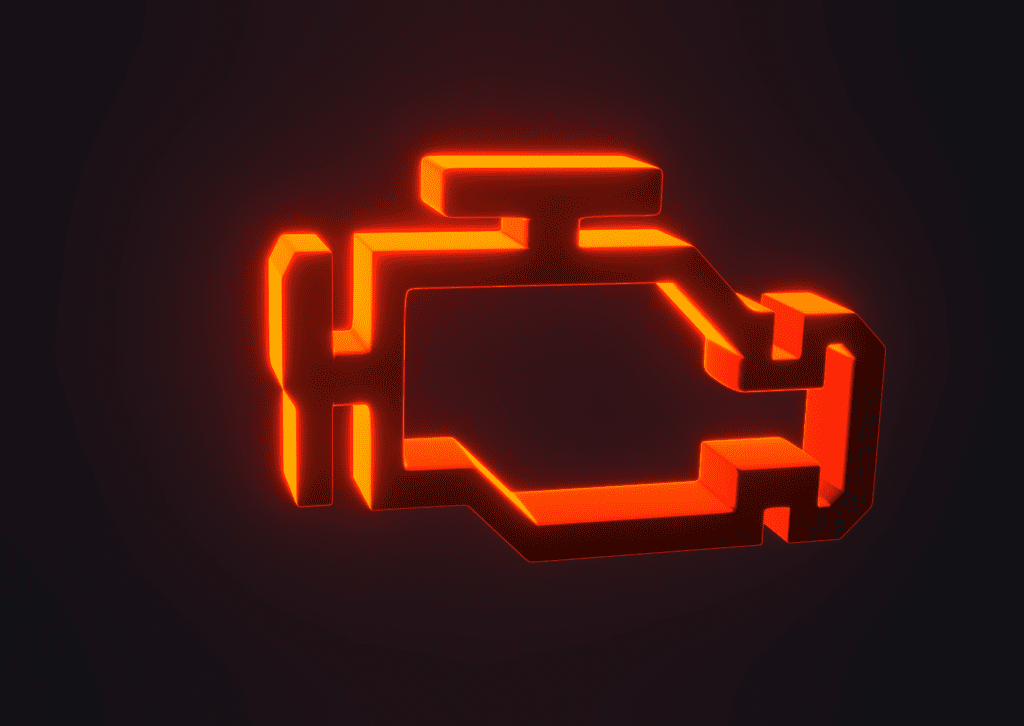
The key difference in flashing check engine light vs solid is urgency. A solid light usually means the vehicle has detected a problem that needs diagnosis soon. A flashing light usually points to a more serious condition, often an engine misfire that can damage the catalytic converter if the vehicle keeps running under stress.
Not all warning lights are created equal. A steady check engine light may come from a loose gas cap, oxygen sensor failure, sensor problems, vacuum leaks, or a mass air flow issue. A blinking check engine light, also called a blinking light or flashing check engine, often means the engine is misfiring badly enough that raw fuel may enter the exhaust system.
Here is the simple way to think about it:
- Solid check engine light: Schedule service soon, especially if you notice performance changes.
- Flashing check engine light: Take immediate action and avoid driving if the engine is shaking, losing power, or running rough.
- Other warning lights: Oil pressure, temperature, brake, or battery lights can point to different safety concerns.
The big difference is risk. A steady light should not be ignored, but a flashing light needs immediate attention.
Why Does a Check Engine Light or Engine Light Turn On?
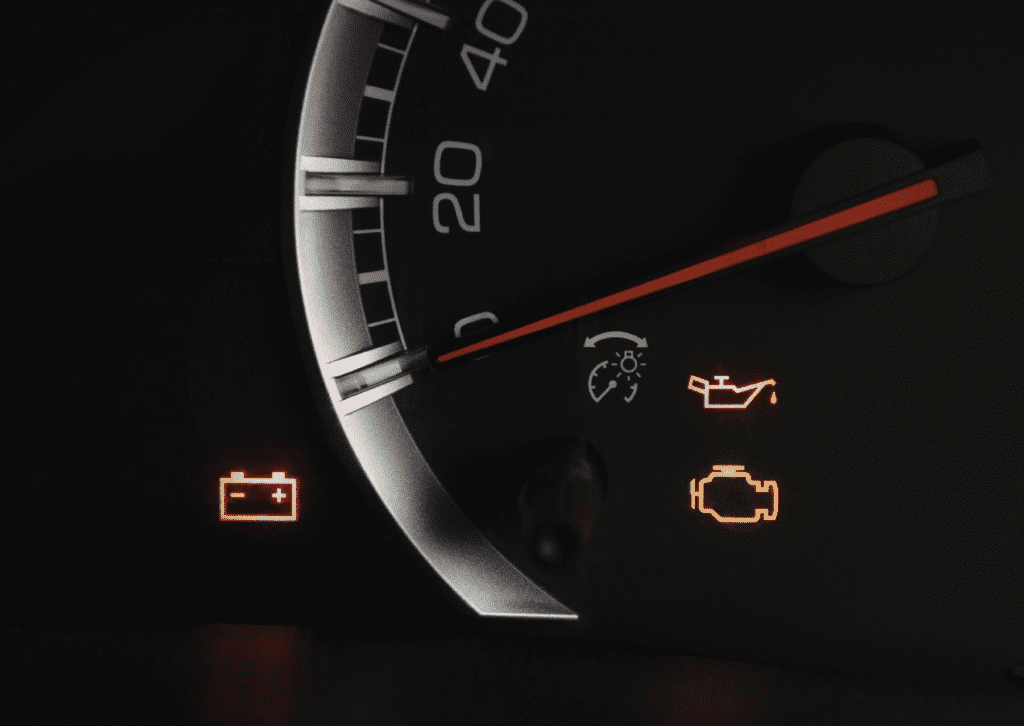
The check engine light illuminates when modern vehicles detect a problem related to engine performance, fuel system operation, exhaust system readings, or other components monitored by the vehicle computer. The engine light is usually tied to diagnostic trouble codes that help a professional mechanic narrow down the exact issue.
Common causes include a loose gas cap, a damaged gas cap, faulty spark plugs, ignition coils, oxygen sensor failure, exhaust leaks, vacuum leaks, and fuel mixture problems. In some cases, the check engine light issues may affect gas mileage, fuel efficiency, or performance before the driver notices a major change.
Cold weather, cool mornings, cold starts, and short trips can also make existing problems more noticeable. Older vehicles may react differently than newer ones, but a vehicle that starts rough, hesitates, or runs differently after reaching operating temperature should be checked. Even if the little light seems minor, the cause may grow into expensive repairs when ignored.
What Does a Solid Check Engine Light or Solid CEL Usually Mean?

A solid check engine light, steady check engine light, steady light, solid light, or solid CEL usually means the issue isn’t an immediate stop-now emergency. However, it still needs attention. A solid CEL can come from something simple, such as a gas cap that’s loose or damaged, but it can also point to fuel system, exhaust system, or sensor problems.
If the car feels normal, avoid panic. Check whether the gas cap is tight after safely parking. A damaged gas cap can allow fuel vapors to escape and may increase emissions. If tightening the cap doesn’t help after a few drives, or if the light returns, schedule check engine light diagnostics.
A solid light can also be tied to an oxygen sensor, mass air flow sensor, or other components that help control the fuel mixture. A simple fix is possible, but waiting too long can turn a small repair into a major repairs.
Why Does a Flashing Check Engine Light Need Immediate Attention?
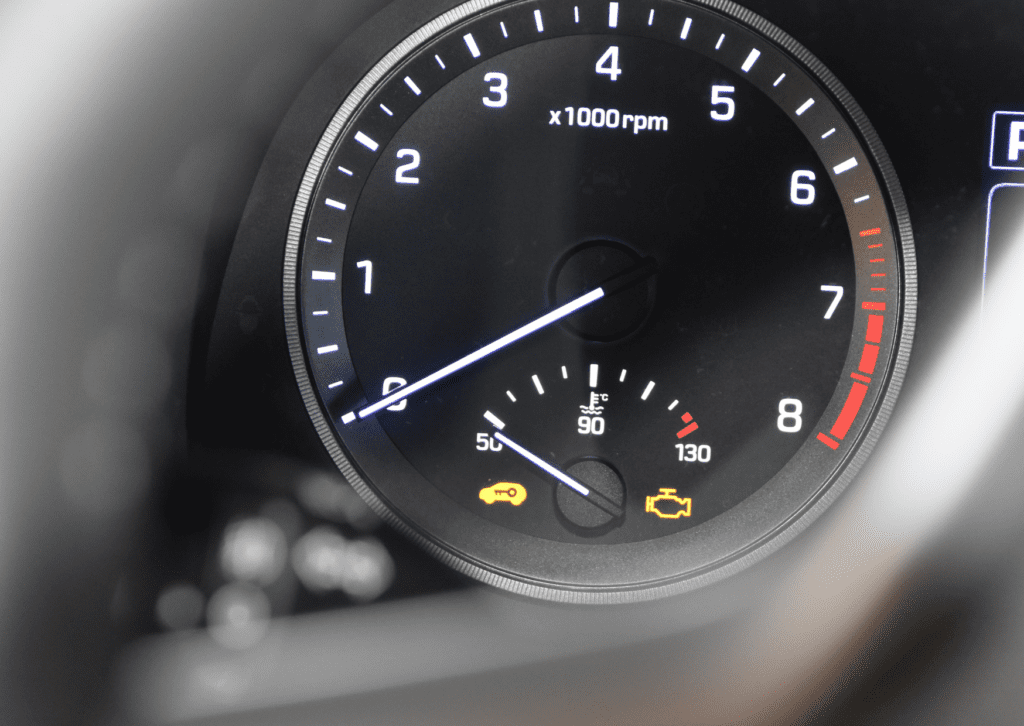
A flashing check engine light is an urgent warning. It often means one or more cylinders are misfiring. When an engine misfire is severe, unburned fuel can pass into the exhaust gases. That raw fuel can overheat the catalytic converter and cause further damage.
If the flashing light starts while driving, reduce speed, avoid hard acceleration, and find a safe place to stop. If the engine is shaking, power is dropping, or you smell fuel, call a tow truck instead of driving to the nearest repair shop. Continuing to drive with a blinking check engine light may lead to expensive repairs.
Possible signs that the vehicle should not be driven include:
- Strong shaking or rough running
- Loss of power while accelerating
- A flashing light that doesn’t stop
- Fuel smell from the exhaust system
- Loud misfire sounds or unusual behavior
This is where immediate action matters most. The sooner the issue is diagnosed, the better the chance of avoiding catalytic converter damage, major repairs, and unsafe roadside problems.
How Can Faulty Spark Plugs, Ignition Coils, or an Engine Misfire Cause Check Engine Light Issues?
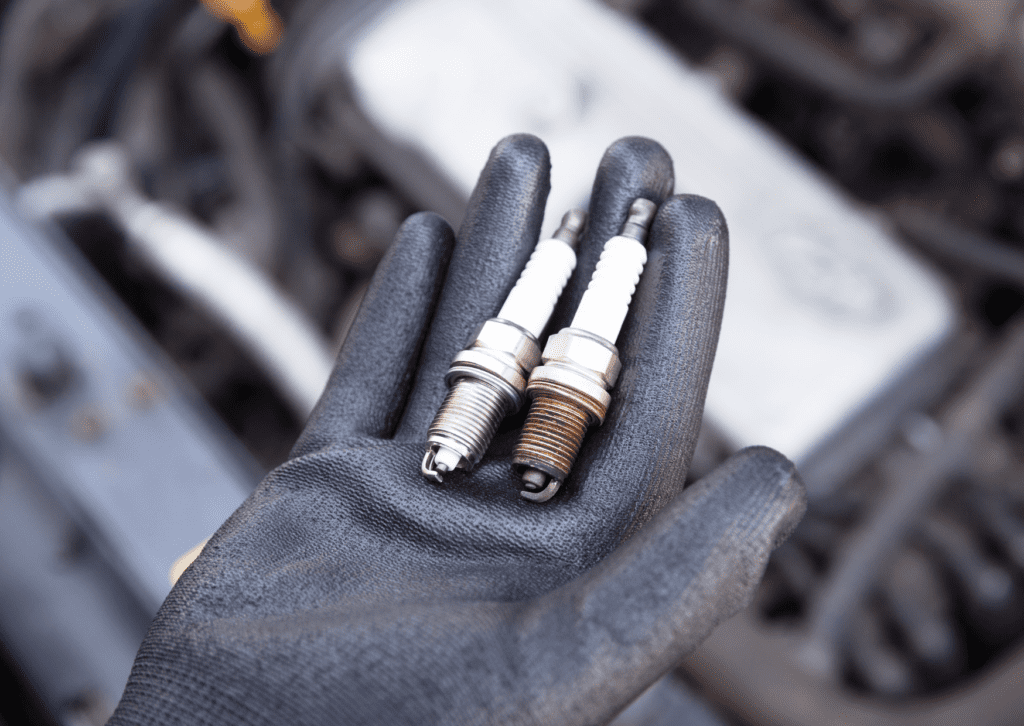
Faulty spark plugs and weak ignition coils are common reasons for check engine light issues. Spark plugs ignite the fuel mixture inside the engine. If a plug is worn, fouled, or not firing correctly, one or more cylinders may misfire.
An engine misfire can feel like shaking, a rough idle, hesitation, or poor acceleration. It may also show up more during cold starts, cool mornings, or short trips because the engine isn’t always at full operating temperature. When misfires continue, they can hurt fuel efficiency, increase emissions, and damage other components.
The issue could be spark plugs, ignition coils, fuel delivery, compression problems, vacuum leaks, or sensor problems. Professional diagnostics help separate the likely cause from the real cause.
Regular maintenance, including oil changes, tune-up service, and timely inspection, can reduce preventable misfire problems.
How Do Oxygen Sensor Failure, Sensor Problems, and a Damaged Gas Cap Affect Fuel Efficiency?

Oxygen sensor failure can affect how the engine manages the fuel mixture. The oxygen sensor monitors exhaust gases and helps the vehicle adjust fuel delivery. If the sensor gives inaccurate readings, the engine may run too rich or too lean, which can reduce gas mileage, increase emissions, and affect performance.
A damaged gas cap can also create problems. The cap helps seal the fuel system and control fuel vapors. If it is loose, cracked, or missing, the check engine light may turn on. This can be a simple fix, but it still needs to be verified.
Other sensor problems may involve the mass air flow sensor, temperature-related readings, or fuel system controls. Quality fuel, proper maintenance, and timely repair can help reduce repeated check engine concerns.
Auto parts stores may offer a basic scan with an OBD II scanner, but a code reading isn’t the same as a full diagnosis. A code points to a system or condition. It doesn’t always prove which part failed.
Why Do Professional Diagnostics and Professional Scanners Matter for Check Engine Light Diagnostics?
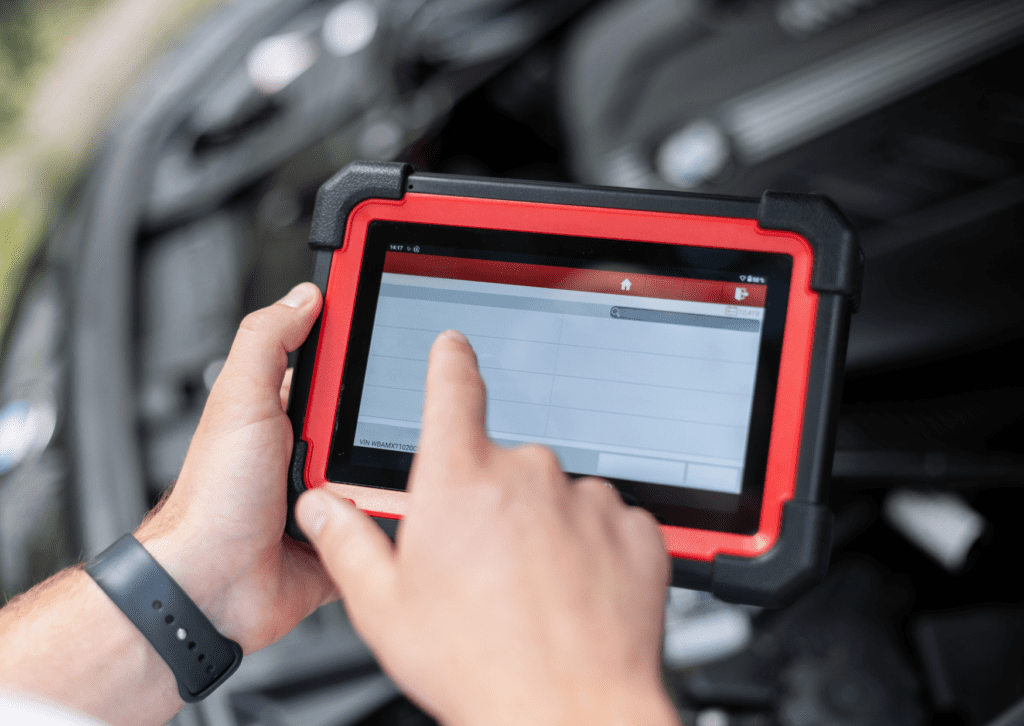
Professional diagnostics matter because a code is only the starting point. Professional scanners can read diagnostic trouble codes, view live data, check freeze-frame information, and help a technician compare what the vehicle computer detects with how the engine is actually running.
Check engine light diagnostics may include checking the fuel system, ignition system, exhaust system, sensor data, vacuum leaks, and related wiring. A professional mechanic can also look for patterns that a basic code reader may miss. For example, a code related to an oxygen sensor might be caused by exhaust leaks, a fuel mixture issue, or another condition upstream.
For Loveland drivers, professional diagnostics can make a big difference because cold starts, short trips, and changing weather can make existing engine light issues more noticeable. This is especially important for modern vehicles because many systems work together. One failed part can affect readings from several other components.
That’s why professional scanners and experience from ASE-certified technicians can help identify the exact issue more accurately than guessing. The goal is to repair the problem that caused it, protect the engine, and reduce the risk of further damage.
Final Thoughts
For local drivers, the safest response depends on whether the light is steady or flashing. A solid check engine light usually means the vehicle should be inspected soon. A flashing check engine light means the problem may be urgent, and driving may cause further damage.
Don’t ignore performance changes, rough idle, poor acceleration, fuel smell, reduced fuel efficiency, or repeated warning lights. A check engine issue can be simple, but it can also become more expensive when delayed. The best next step is to have the vehicle inspected, especially if the light comes back after a reset or appears with drivability symptoms.
A careful diagnosis can protect the engine, reduce the risk of major repairs, and help keep the vehicle reliable for daily driving in Loveland.

If your check engine light is on in Loveland, schedule service with Metric Motors for clear answers, professional diagnostics, and repair guidance from a local team focused on keeping your vehicle safe and reliable.
Works Cited
“Understanding Your Check Engine Light at Metric Motors.” Automotive Repair Loveland, https://automotiverepairloveland.com/check-engine-light-diagnosis/. Accessed 21 May 2026.
“Automotive Repair Near Me Loveland Automotive Repair Services.” Automotive Repair Loveland, https://automotiverepairloveland.com/. Accessed 21 May 2026.
“Controls and Displays.” Electronic Code of Federal Regulations, National Highway Traffic Safety Administration, 49 CFR § 571.101, https://www.ecfr.gov/current/title-49/section-571.101. Accessed 21 May 2026.
“On-Board Diagnostics.” U.S. Environmental Protection Agency, https://www.epa.gov/state-and-local-transportation. Accessed 21 May 2026.
“On-Board Diagnostic II Systems Fact Sheet.” California Air Resources Board, https://ww2.arb.ca.gov/resources/documents/on-board-diagnostic-ii-obd-ii-systems-fact-sheet. Accessed 21 May 2026.