

If you want the best car maintenance tips, focus on the small habits that keep problems from turning into costly repairs. This guide breaks down a practical, factory-scheduled approach to oil changes, fluids, tires, brakes, and warning lights so your car stays reliable and running smoothly.
What Are The Best Car Maintenance Tips For Building A Simple Routine?
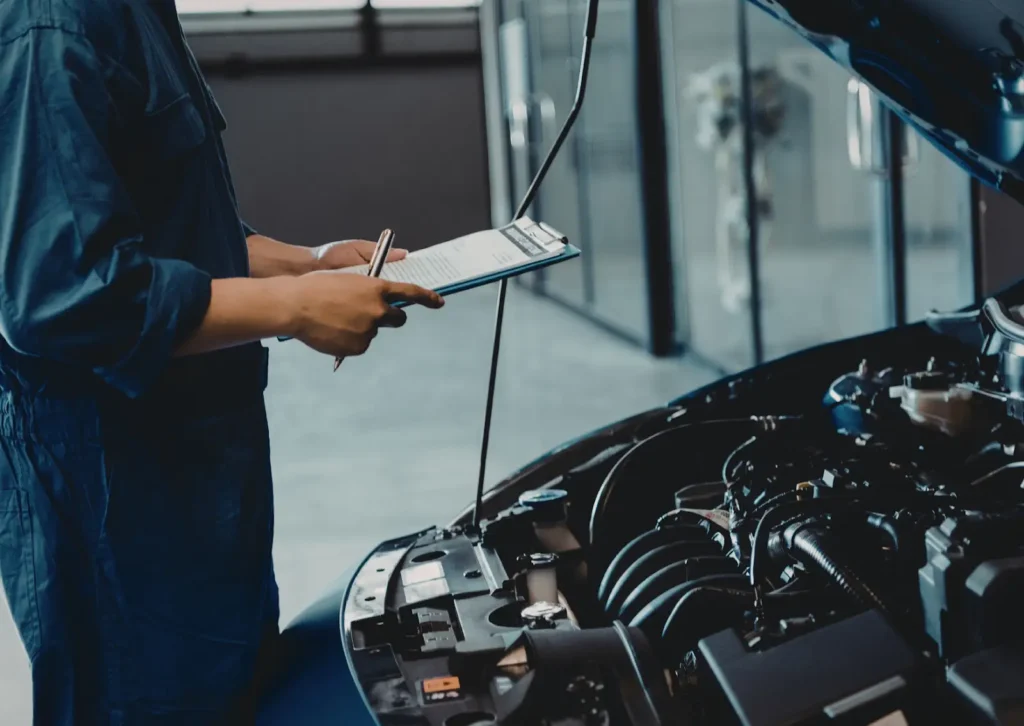
If you want the best car maintenance tips, start with one goal: keep small problems small. Most cars do not fail all at once. They give signals first, and a routine helps you catch those signals before they turn into costly repairs or unexpected repairs.
A practical routine does three things:
- It keeps your car running safely and consistently.
- It protects fuel economy by keeping systems clean and efficient.
- It helps you follow a car maintenance schedule that matches how you actually drive.
The easiest way to stay consistent is to tie checks to habits you already have. For example, do a quick look around your vehicle during gas fill-ups at gas stations. Check for wet spots under the car, uneven tires wear, or anything hanging lower than normal. If you hear weird noises, do not wait for the only time you are stranded on the roadside.
Also, lean on your owner’s manual and car manual. They are not just paperwork. They tell you the recommended service intervals for engine components, other fluids, filters, and wear items. Your owner’s manual is the backbone of a real car maintenance plan, especially if you drive in heat, cold, dust, short trips, towing, or lots of stop-and-go.
A good rule: if you want reliable transportation for your first car or a new car, treat maintenance like brushing your teeth. Small, regular work beats big, stressful surprises.
How Should You Follow Your Owner’s Manual And Car Maintenance Schedule?
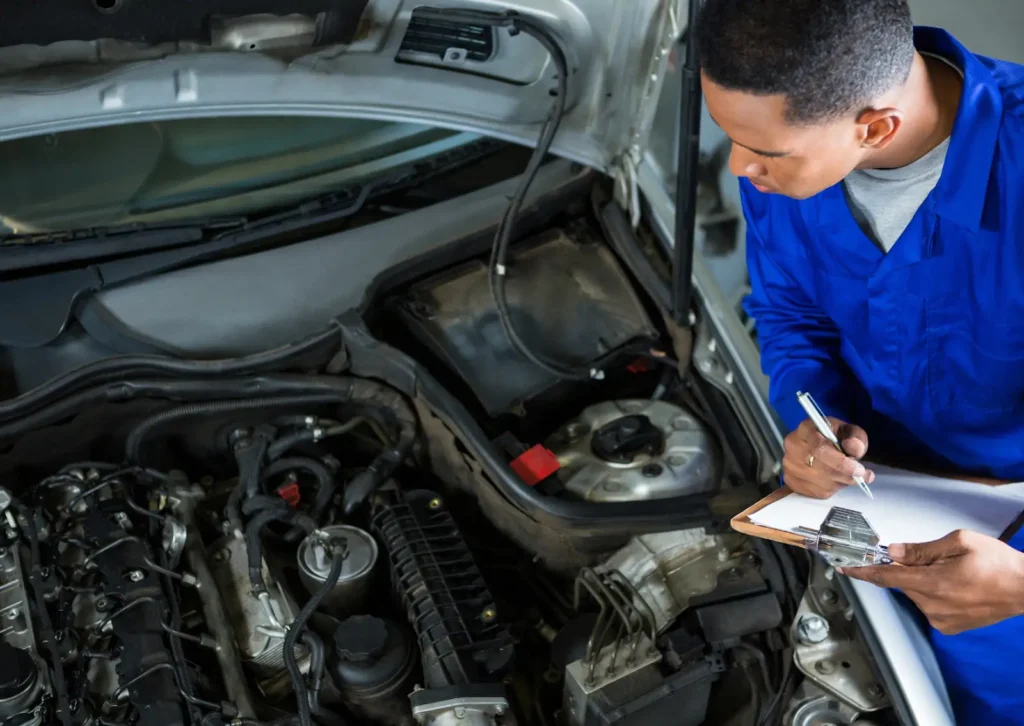
A car maintenance schedule is your best friend because it removes guesswork. Instead of chasing random “maintenance tips” online, you follow a plan built around mileage and time. That matters because some parts fail by wear, and some fail by age, even if you do not drive much.
Here is a simple way to make the schedule real:
- Keep a note in your phone with your current mileage and next due services.
- Review the owner’s manual intervals every few months.
- Adjust sooner if you do short trips, sit in traffic daily, or drive sports cars harder than average.
What does “car regularly” mean in real life? It means you should check the basics often enough that you notice when something changes. If your vehicle’s running feels different, if the steering feels loose, or if the engine sounds louder, that is your cue to inspect rather than ignore.
It also helps to understand drivetrains. Rear wheel drive vehicles often have a rear differential that needs service at the right interval. If that fluid breaks down, you can end up with more costly repairs than you expected. A schedule keeps you ahead of that.
Finally, do not forget time-based services. Things like brake fluid and coolant age over time. Even if your car running seems fine, fluids can absorb moisture or lose protective qualities.
When Should You Get An Oil Change And Check Engine Oil And Motor Oil?
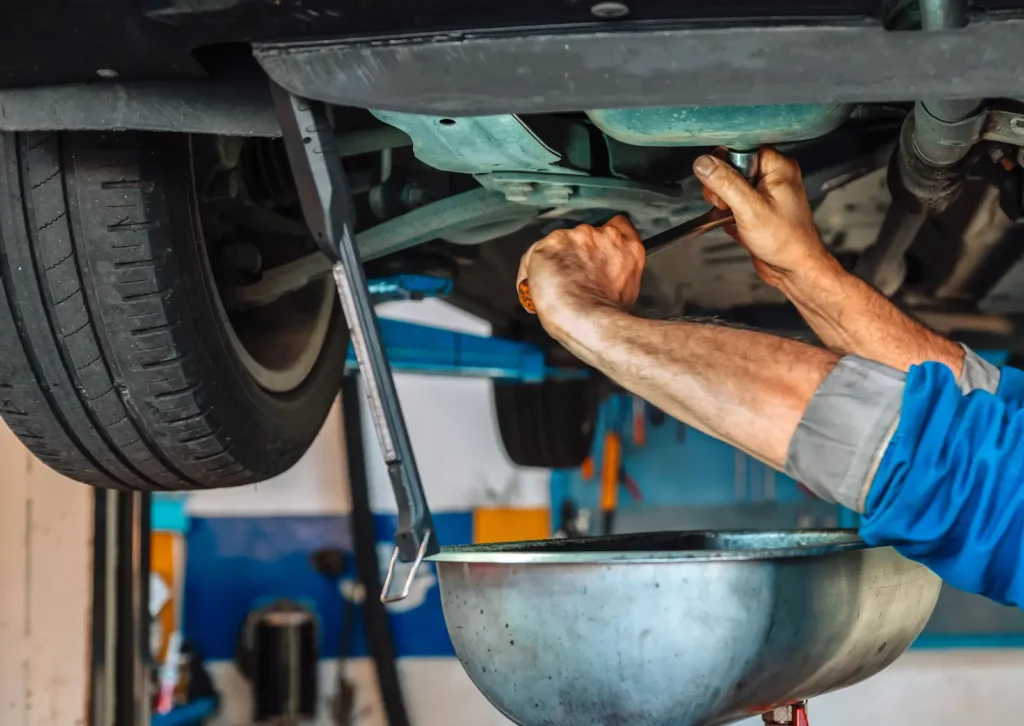
An oil change is one of the most important car maintenance tips because oil is the lifeblood of the engine. Engine oil and motor oil reduce friction, carry heat away, and keep internal surfaces from grinding. But oil breaks down. Over time, oil breaks, contaminants build, and protection drops.
To keep the engine running smoothly:
- Check the oil level at least monthly, and before long road trips.
- Check the oil filter replacement interval with your owner’s manual.
- Use the oil type and viscosity your car manual calls for.
People often ask whether synthetic oil is worth it. In many vehicles, synthetic oil handles heat and cold better, which can help protect engine components. The right choice depends on the vehicle and how you drive, so the owner’s manual is still your first stop.
Also, pay attention to early signs. If you see the oil light, smell burning oil, or notice your car struggling on acceleration, do not wait. Low oil level can turn a simple service into costly repairs fast.
A good oil routine is not just “change it sometimes.” It is “monitor it, change it on schedule, and use the right filter.” That is how you keep your car running for the long haul.
Why Do Air Filter, Spark Plugs, Timing Belt, And Serpentine Belt Checks Matter?
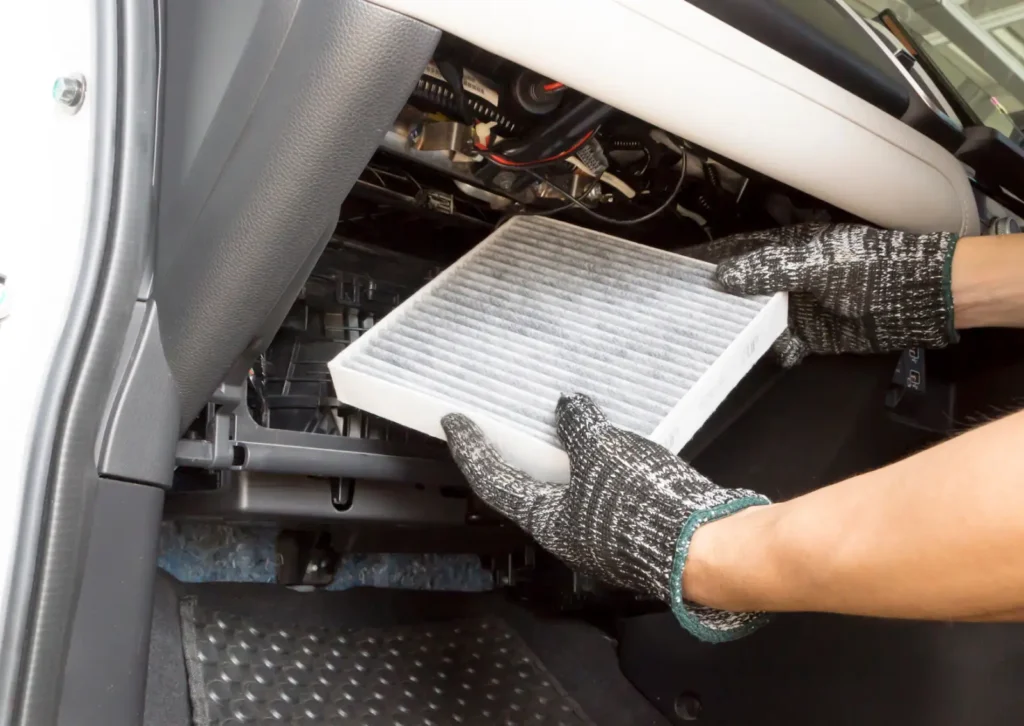
A clean air filter helps your engine breathe. When it gets clogged, your vehicle can feel sluggish, fuel economy can drop, and the engine may run richer than it should. Replacing an air filter is usually simple and relatively inexpensive compared to problems caused by restricted airflow.
Spark plugs are another quiet hero. Worn spark plugs can cause rough starts, misfires, and reduced fuel economy. If the engine is not firing cleanly, it is working harder than it needs to.
Belts are where small neglect becomes big stress:
- The serpentine belt runs key accessories. If it fails, you can lose charging, cooling assistance, or power steering support depending on the setup.
- The timing belt, if equipped, is a high-stakes item. If it fails, it can cause major internal engine damage in many engines.
If you are not sure what your vehicle uses, your owner’s manual will tell you, and a professional inspection can confirm condition. This is especially important if your car is a few years old and you do not know the maintenance history.
These checks are not about perfection. They are about preventing a dead battery situation, overheating, or a sudden breakdown that ends with a tow truck.
How Can You Keep Tire Pressure, Tire Tread, And Tire Rotation On Track?
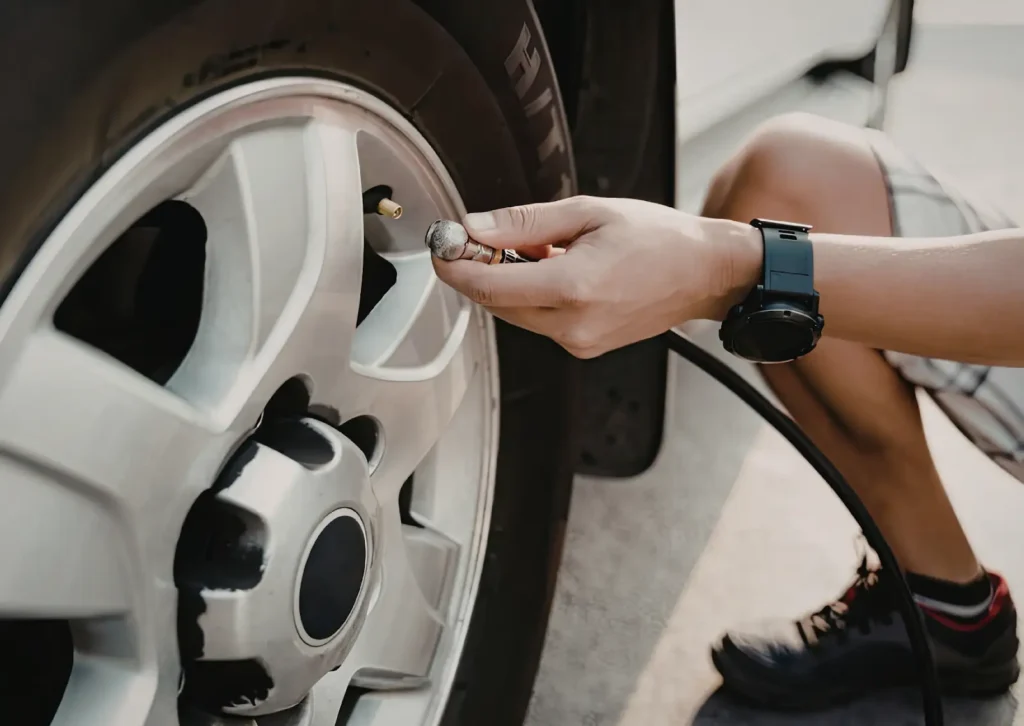
Tires are where safety meets money. Underinflated tires waste fuel, wear faster, and can handle poorly in emergencies. Overinflated tires can ride harshly and reduce grip. Your goal is tires properly inflated to the recommended tire pressure.
The easiest place to find it is the sticker in the driver’s door area, usually on the door jamb. That sticker is more reliable than a random number online because it is specific to your vehicle.
Use this quick routine:
- Check air pressure monthly and before road trips.
- Adjust when temperatures swing, because pressure changes with the weather.
- Look at tire tread and sidewalls for damage, bubbles, or uneven tire tread wear.
- Rotate tires on schedule, because tire rotation helps tires wear evenly and last longer.
If you see worn tires or uneven wear patterns, it can point to alignment or suspension system issues. Some people jump straight to tire shops, but uneven wear is often a symptom, not the root cause. Fixing the cause helps your next set last.
Quick Tire Pressure And Wear Checklist
- Check tire pressure when tires are cold.
- Match the recommended tire pressure listed on the driver’s door sticker.
- If one tire keeps losing air pressure, get it inspected for a leak.
- Replace worn tires before traction becomes a safety risk.
This is one of the best car maintenance tips because it directly improves handling, braking, and fuel economy.
What Should You Know About Brake Pads, Brake Lights, And The Brake System?
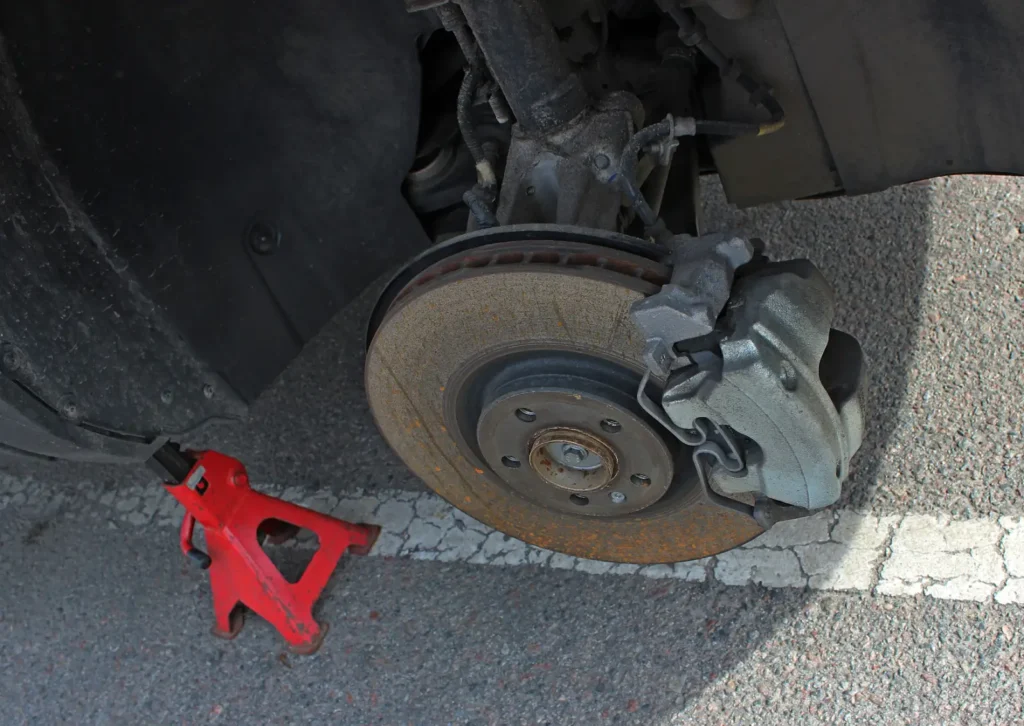
Brakes are not the place to guess. Brake pads wear by design, and stopping power depends on the full brake system working properly. If you wait too long, you can damage rotors and turn a normal brake job into costly repairs.
Watch for these signs:
- Squealing or grinding
- A soft pedal or longer stopping distance
- Vibration while braking
- A brake warning light
Brake lights matter too. If your brake lights are out, other drivers cannot react in time. That is an easy fix that prevents dangerous situations.
Some drivers ask about ceramic pads. Ceramic pads can be quieter and produce less visible dust in some cases, but the right pad depends on the vehicle, driving style, and brake system design. What matters most is proper fit, correct installation, and ensuring everything is functioning properly.
If you drive sports cars aggressively or haul heavy loads, your pads can wear faster. If you do mostly city driving, you may wear them differently. Either way, regular inspections keep you ahead of expensive surprises.
What Fluids Should You Check Regularly To Avoid Costly Repairs?
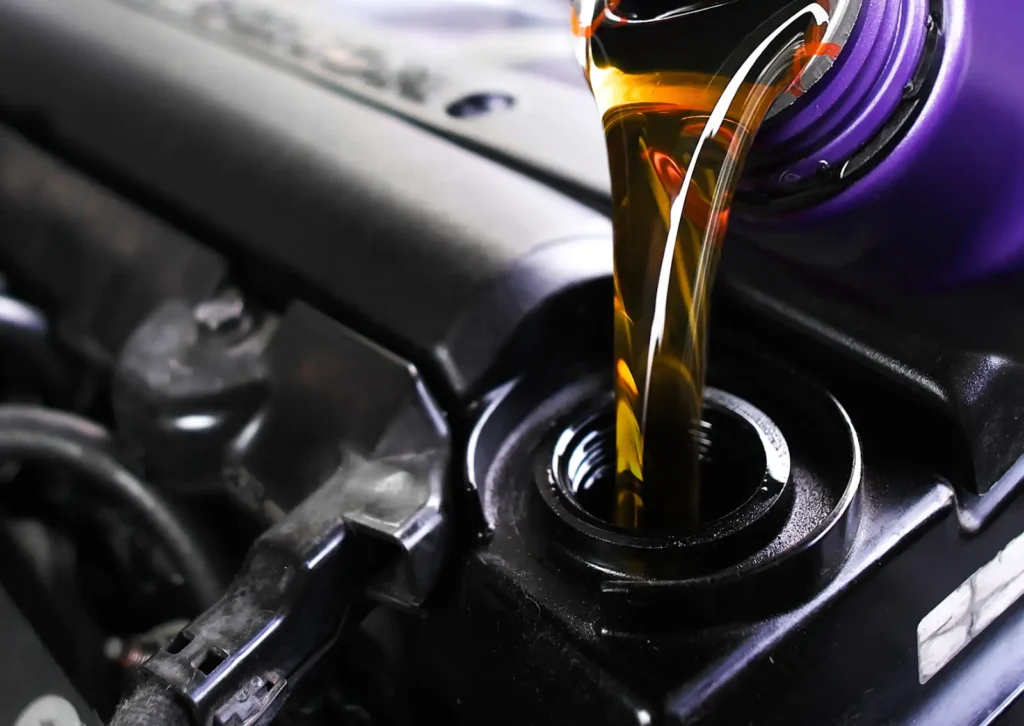
Fluids are how your car protects itself. When fluid levels drop or fluids degrade, parts heat up, wear faster, and fail earlier. Checking other fluids is one of the most important car maintenance tips.
Focus on these:
- transmission fluid
- brake fluid
- power steering fluid
- windshield washer fluid
- engine oil
Also, remember drivetrain fluids. For rear wheel drive vehicles, the rear differential fluid protects gears under heavy load. Old or contaminated fluid can lead to noise, vibration, and major repairs.
Simple Fluid Check Routine
- Check engine oil level monthly and before long drives.
- Check windshield washer fluid often so you can improve visibility quickly in dust, snow, or bugs.
- If you notice a puddle, a burning smell, or car struggling during shifts, have it inspected right away.
- If a warning light comes on, do not assume it will go away on its own.
Fluids are cheap compared to breakdowns. Staying on top of them keeps your vehicle running, reduces more costly repairs, and helps you avoid calling a tow truck on a bad day.
Why Should You Take The Check Engine Light Seriously And Use A Bonus Tip For Daily Care?
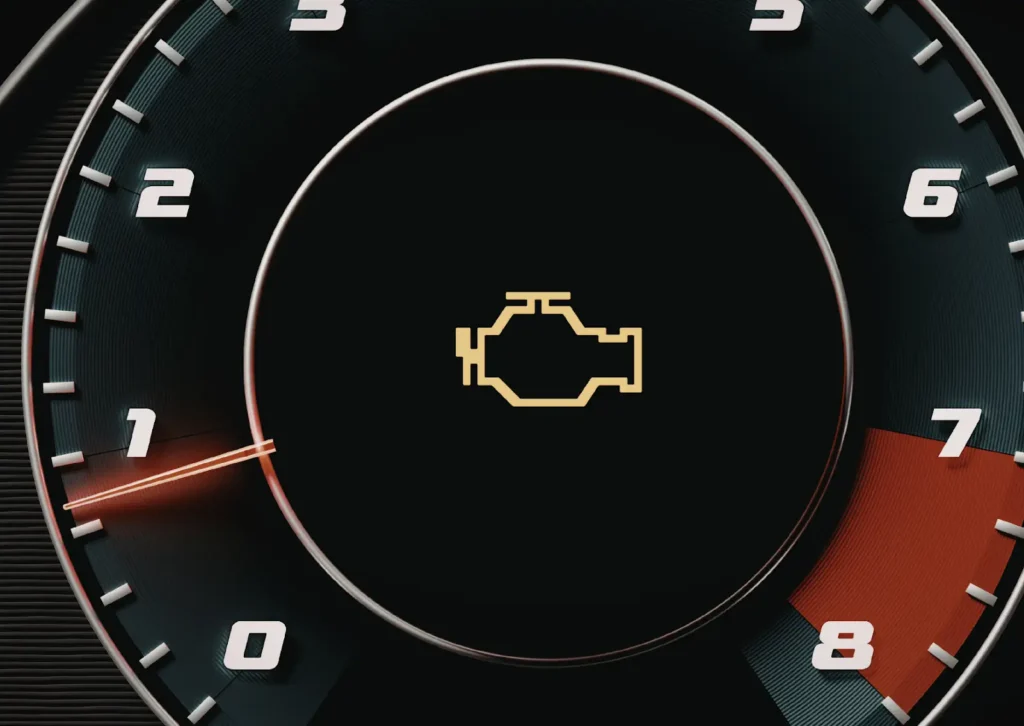
The check engine light is not always an emergency, but it is always a message. Sometimes it is a loose gas cap. Other times it is a sensor issue, a misfire, or a problem that can harm your engine components if you keep driving.
If the check engine light is flashing, treat it as urgent. If it is steady, you still want it checked soon, especially if your car running feels rough or your vehicle running has a lack of power.
Here is a simple approach:
- Notice changes: weird noises, shaking, poor fuel economy, or car struggling uphill.
- Pay attention to patterns: does it happen after gas fill-ups, during rain, or only at high speed?
- Do not ignore it for weeks, because small issues can trigger chain reactions.
Now for a bonus tip that sounds small but saves money: protect your paint and seals. Bird droppings are acidic and can damage paint if they sit too long. Wash it off sooner rather than later. Also, keep wiper blades and windshield wipers fresh. When wiper blades streak, you lose visibility at the worst times.
This is one of those car maintenance tips that feels cosmetic until you are driving in heavy rain at night wishing you could see.
What Are The Most Important Car Maintenance Tips To Remember?
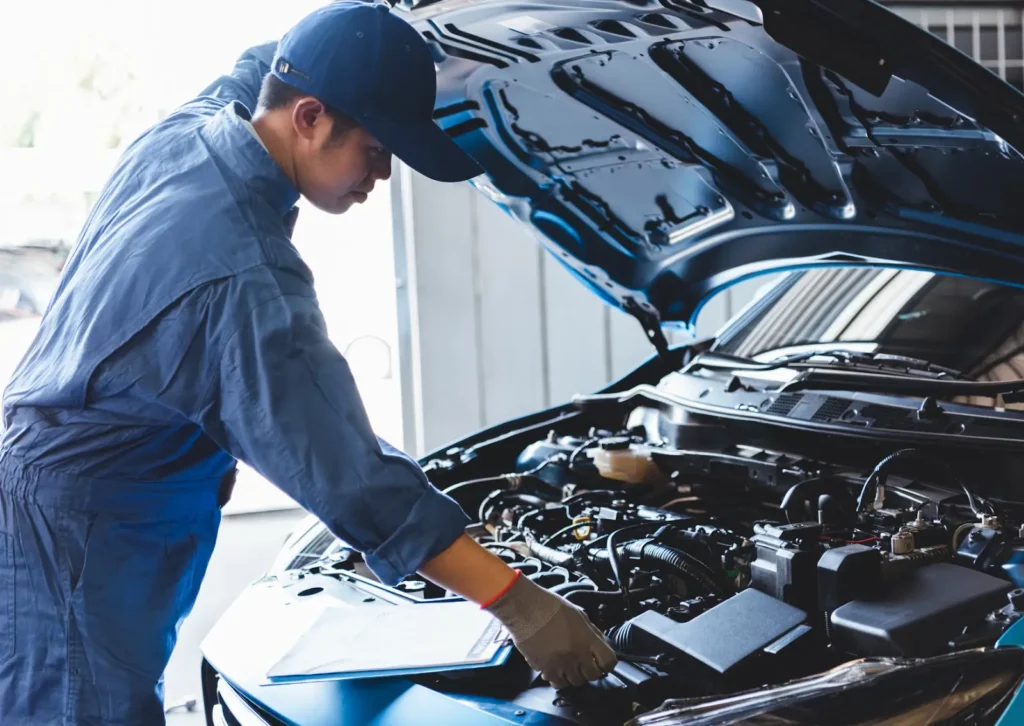
If you want your car to stay in good shape, you do not need perfection. You need consistency. The best car maintenance tips are the ones you will actually do.
Here is the simple takeaway:
- Follow your owner’s manual and car maintenance schedule.
- Stay consistent with oil change intervals and oil filter changes.
- Keep tires properly inflated and rotate them on time.
- Inspect brake pads and the brake system before wear becomes damage.
- Check other fluids, especially transmission fluid, brake fluid, and power steering fluid.
- Treat the check engine light as useful information, not an annoyance.
- Address small warning signs before they become costly repairs.

Ready to protect your vehicle and avoid unexpected repairs? Schedule service with Metric Motors today and get clear recommendations that fit your car, your schedule, and your budget.
When you keep up with regular maintenance, you drive with more confidence. Your car running stays smooth, your vehicle running stays predictable, and you spend less time stressing about what might break next.
Works Cited
“Contact Auto Repair Loveland CO Shop.” Automotive Repair Loveland, https://automotiverepairloveland.com/. Accessed 19 Feb. 2026.
“Why You Should Use a Loaner Car During Auto Maintenance.” Automotive Repair Loveland, https://automotiverepairloveland.com/blog/why-you-should-use-a-loaner-car-during-auto-maintenance/. Accessed 19 Feb. 2026.
“Tires.” National Highway Traffic Safety Administration, https://www.nhtsa.gov/vehicle-safety/tires. Accessed 19 Feb. 2026.
“Gas Mileage Tips: Keeping Your Vehicle in Shape.” fueleconomy.gov, U.S. Department of Energy, https://www.fueleconomy.gov/feg/maintain.jsp. Accessed 19 Feb. 2026.
Maintaining Proper Tire Inflation Pressure. United States Environmental Protection Agency, June 2016, https://19january2017snapshot.epa.gov/sites/production/files/2016-06/documents/420f16035.pdf. Accessed 19 Feb. 2026.