

If you want your Honda car to stay dependable for years, Honda car maintenance has to be more than quick fixes and random oil changes. This guide walks you through scheduled maintenance, simple checks, and early warning signs so your vehicle can perform smoothly, protect safety, and support long-term reliability.
What Does Honda Car Maintenance Mean For Car Maintenance And Long Term Reliability?

Honda car maintenance is a repeatable way to protect your vehicle through regular maintenance, inspection, and timely replacement. It is not about being perfect. It is about being consistent so small problems do not turn into expensive repairs.
A helpful way to think about car maintenance is that you are protecting three big things at once:
- Safety so your brakes, tires, headlights, and suspension can respond when it matters.
- Performance so your engine, power delivery, and drivability stay smooth.
- Longevity so your Honda vehicles stay reliable as miles add up.
The most reliable starting point is your owner’s manual. It provides an overview of maintenance tasks and a schedule based on the vehicle’s mileage and time. From there, you use real-life driving factors like stop-and-go traffic, short trips, heavy loads, and extreme temperatures to adjust how closely you follow that schedule.
This approach fits most models, whether you drive a smaller car, a family suv, a light truck, or an awd vehicle equipped for year-round conditions. The goal is the same. You want your vehicle to drive confidently, protect passengers, and give you peace on the road.
How Does A Service Center Support Scheduled Maintenance For Honda Vehicles?
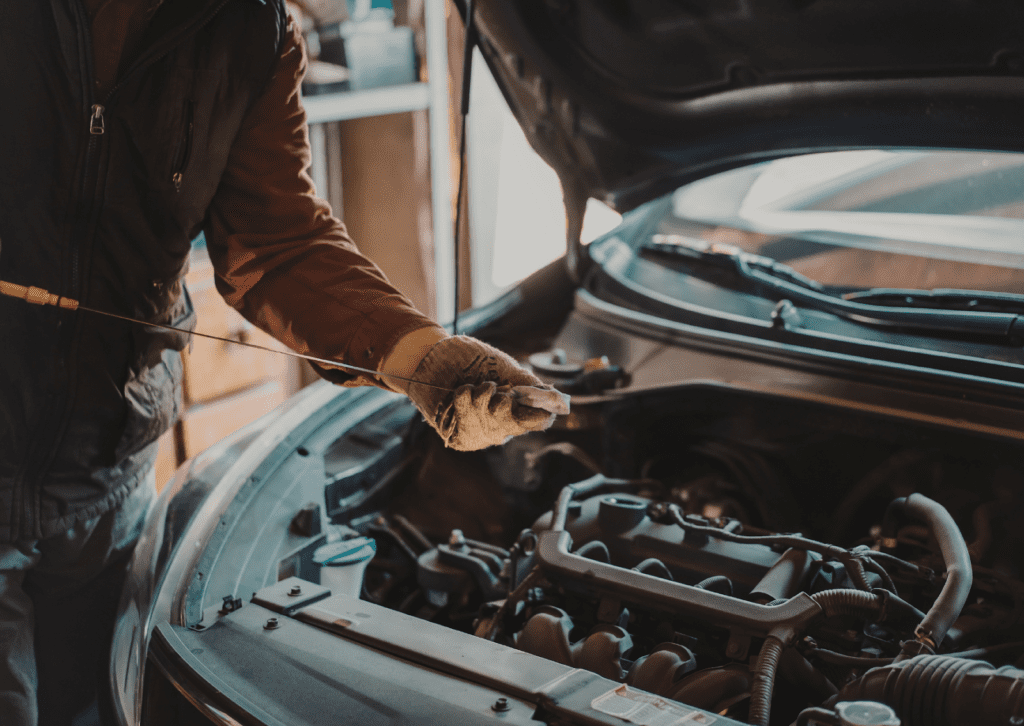
A strong maintenance plan becomes easier when a service center helps you track what matters, inspect your vehicle consistently, and prioritize needs clearly. The right service approach focuses on factory-scheduled services and practical maintenance tasks that keep your car running its best.
This matters for another reason. Having an expert mechanic perform factory-scheduled services can help keep a new car warranty in effect, as long as the service is performed correctly and documented. That is why many drivers prefer a structured visit cadence instead of waiting for a problem to become obvious.
At Metric Motors, the site emphasizes a full range of auto services, from brakes to clutches, oil changes to timing belts, with a focus on doing the job right the first time. That lines up with what most Honda owners actually need: routine maintenance support, clear explanations, and a plan that follows your mileage and schedule.
The site also highlights technician credentials and recognition through ASE and the Blue Seal of Excellence, which is a useful signal if you are choosing where to take your Honda car. When technicians are trained and verified, the inspection process is more consistent, and the recommendations are easier to trust.
Why Do Oil Changes Matter So Much For Honda Car Maintenance And Engine Life?

Oil changes are one of the simplest ways to protect your engine. Oil helps lubricate moving parts, reduce friction, and support smooth operation. Over time, oil breaks down and can collect contaminants. When that happens, protection drops and wear can increase quietly.
A practical mindset is to treat oil changes as “foundation service.” When oil changes are on schedule, other maintenance becomes easier because:
- Your engine is better protected from internal wear.
- Small issues like leaks are easier to spot during routine maintenance.
- Your service history becomes clearer, which helps track future replacement needs.
Filters matter too. Clean filters protect the engine and help it perform efficiently. Cabin filters also affect interior comfort, airflow, and overall ride experience for passengers, especially on long road trips.
If you want Honda car maintenance to stay simple, do not overcomplicate this section. Stick to a schedule, document your mileage, and handle oil changes consistently. That is one of the best ways to extend longevity.
How Can You Use The Maintenance Minder And Dashboard Display To Track Service?

Many Honda vehicles include a maintenance minder system that helps you track maintenance needs based on driving conditions. Instead of guessing, you follow what your dashboard display is telling you and match it to the owner’s manual schedule.
The key is to respond early. A maintenance minder is not a scare tactic. It is a reminder to visit for routine maintenance and inspection before wear becomes damage. This is especially helpful for busy drivers who may forget exact miles or dates.
Use a simple tracking method:
- Write down the vehicle’s mileage when the maintenance minder appears.
- Keep a short log of what service was performed at each visit.
- Ask what maintenance tasks are due now and what is coming next.
- If any warning light appears, schedule an inspection so the issue can be diagnosed before it gets worse.
This approach protects your budget and your time. It also helps technicians understand your vehicle history quickly, which can improve the accuracy of service recommendations.
When Should You Check Tire Pressure, Tire Rotation, Tires, And Sidewalls?

Tires support safety every time you drive. Tire pressure affects traction, braking, handling, and wear. Even small pressure changes can impact how your vehicle performs on the road, especially in temperature swings.
Tire rotation is another major maintenance task. Rotating tires helps them wear evenly, which can extend tire life and keep the ride smoother. This is important for a car, suv, or truck, and it matters even more for AWD vehicles where mismatched wear can affect drivability.
Use these practical checks to stay ahead of tire issues:
- Check tire pressure monthly and before longer trips, and adjust to the recommended specification.
- Inspect sidewalls for cracking, bulges, or cuts that can signal a safety risk.
- Look for uneven wear patterns that may indicate alignment or suspension issues.
- Pay attention to vibration, pulling, or steering changes that may mean something needs inspection.
- Confirm your tire rotation schedule during service visits so you stay consistent.
Tires are also connected to other systems. Uneven wear can point to suspension wear. Poor traction can increase braking demands. Keeping tires healthy helps the vehicle handle predictably and protects peace of mind.
What Should You Know About Brake Pads, Brake Fluid, Brakes, And Brake Service?

Brakes are a system, not a single part. Brake pads wear down over time. Brake fluid helps transfer force through the braking system. If you want reliable stopping power, brakes need regular inspection and timely replacement when wear reaches limits.
Brake problems often show up as early signs. You might hear squealing. You might feel vibration. You might notice the brake pedal feels different. Those signs are a reason to inspect, not to wait.
Brake fluid is easy to forget because it is not something you “see” every day. But fluids age, and keeping fluids on schedule is part of proper maintenance. A consistent plan helps you avoid surprises and helps your car stop smoothly.
If you want a simple brake approach, tie it to routine maintenance:
- Ask for brake checks during scheduled maintenance visits.
- Replace brake pads before they wear too far and damage other components.
- Follow your owner’s manual or maintenance plan for brake fluid timing based on mileage and time.
When brakes work well, safety improves immediately. It is one of the most direct ways to protect passengers and your confidence behind the wheel.
What Maintenance Tasks Help Honda Vehicles Perform Smoothly Beyond Oil Changes?

Once you have oil changes, tires, and brakes under control, the next layer of Honda car maintenance is about the items that protect reliability over time. These maintenance tasks may not be needed every visit, but they matter for long term longevity.
Here are key areas to inspect and track as miles add up:
- Spark plugs that can affect engine smoothness, power, and performance when worn.
- Battery condition, including testing and checking connections to prevent no-start issues.
- Fluids beyond oil, including coolant and other fluid services that protect the engine and drivability.
- Timing belt or belt-related service for vehicles that use a belt, because belt replacement timing matters.
- Suspension components that impact steering, stability, braking feel, and tire wear.
- Headlights and exterior lights that support safety and visibility.
- Interior comfort items like filters that help airflow and cabin comfort.
- General wear and tear items that can be spotted during inspection before they become a major repair.
Additionally, your driving environment matters. If you drive rough roads, haul passengers often, or use an AWD vehicle in changing weather, your vehicle may need more frequent inspection. The goal is not to do everything at once. The goal is to combine routine maintenance with smart checks so your car stays dependable.
What Is The Best Way To Keep Honda Car Maintenance Simple And Reliable Over Time?

The best approach is consistency and clarity. Follow the owner’s manual, use the maintenance minder to track needs, and keep your service history organized by vehicle’s mileage. Stay steady with scheduled maintenance and routine maintenance so small issues are addressed early.
When you want support, choose a service center that focuses on factory-scheduled services, thorough inspections, and clear communication. Metric Motors emphasizes a full range of services and highlights ASE-certified technicians and Blue Seal of Excellence recognition, which aligns with a maintenance-first strategy for Honda vehicles.
Final Thoughts
Honda car maintenance is not about chasing perfection. It is about building a schedule you can follow, watching early warning signs, and handling maintenance tasks on time so your vehicle can drive smoothly, protect safety, and stay reliable for the long haul.
Schedule your next service visit with Metric Motors.
Works Cited
“Managing Used Oil: Answers to Frequent Questions for Businesses.” United States Environmental Protection Agency, https://www.epa.gov/hw/managing-used-oil-answers-frequent-questions-businesses. Accessed 19 Feb. 2026.
“Managing, Reusing, and Recycling Used Oil.” United States Environmental Protection Agency, https://www.epa.gov/recycle/managing-reusing-and-recycling-used-oil. Accessed 19 Feb. 2026.
“Keep Tires Properly Inflated.” fueleconomy.gov, U.S. Department of Energy and U.S. Environmental Protection Agency, https://www.fueleconomy.gov/feg/maintain.shtml. Accessed 19 Feb. 2026.
“Standard No. 138; Tire Pressure Monitoring Systems.” eCFR, 49 CFR § 571.138, https://www.ecfr.gov/current/title-49/subtitle-B/chapter-V/part-571/subpart-B/section-571.138. Accessed 19 Feb. 2026.
“Tires.” National Highway Traffic Safety Administration, https://www.nhtsa.gov/equipment/tires. Accessed 19 Feb. 2026.
“ASE Blue Seal Program.” Automotive Service Excellence, https://www.ase.com/blue-seal-program. Accessed 19 Feb. 2026.
“Accreditation & Recognition.” automotiverepairloveland.com, https://automotiverepairloveland.com/accreditation-recognition/. Accessed 19 Feb. 2026.
“Contact.” automotiverepairlovelahttps://automotiverepairloveland.com/accreditation-recognition/nd.com, https://automotiverepairloveland.com/contact/. Accessed 19 Feb. 2026.
“Automotive Repair Loveland.” automotiverepairloveland.com, https://automotiverepairloveland.com/. Accessed 19 Feb. 2026.