

What Are Battery Health Diagnostics For EV, And Why Do EV Drivers Care About Battery Health?
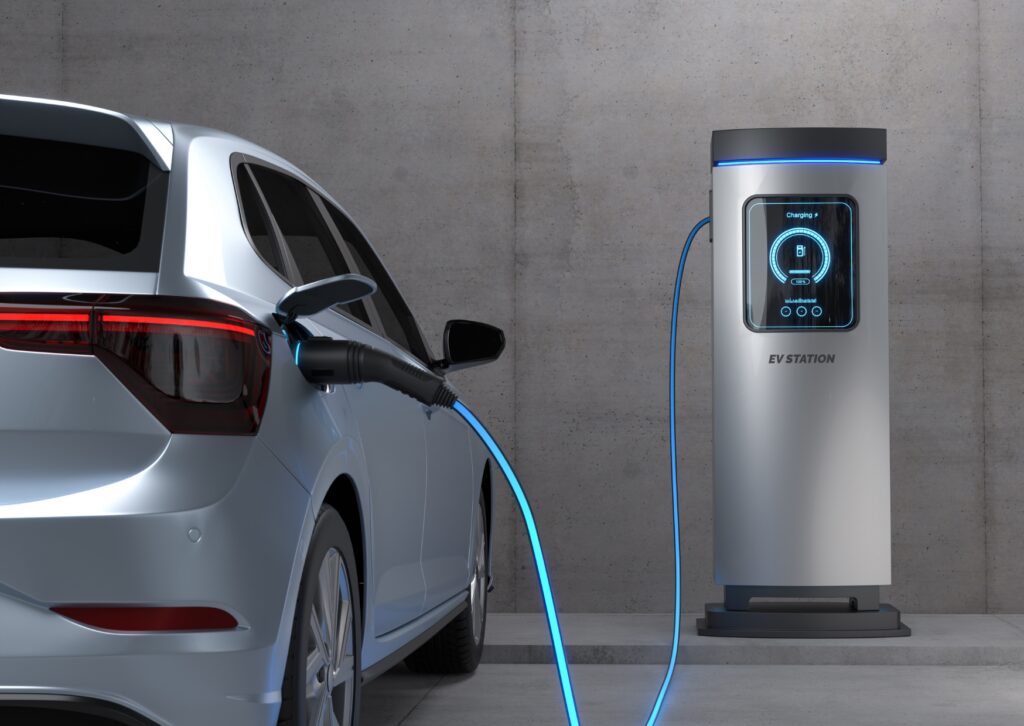
When you drive an electric vehicle, the battery is not just another part. It is the part that shapes your daily confidence, your EV range, and your long-term ownership costs. That is why battery health diagnostics for EVs matter. It helps you assess battery health using real data, so you can make decisions based on facts instead of gut feelings.
Most drivers start searching because something feels different. Range drops sooner than it used to. Charging speed feels slower. The battery percentage swings more than expected. Those experiences are real, and they usually have real causes. Some causes are normal, like cold weather and driving conditions. Other causes point to potential issues, like thermal management problems, a weak cell group inside the battery pack, or early battery degradation.
Here are the most common words and entities people associate with this topic, and why they matter in plain language:
- EV batteries and electric vehicle batteries: The system that stores and delivers energy to move the car.
- Battery health, state of health, and battery SOH: A way to estimate how “strong” the battery is compared to when it was new.
- Battery capacity and battery performance: How much energy the pack can hold and how well it can deliver it.
- Battery temperature and temperature: Heat and cold can change performance today and affect lifespan over time.
- Battery diagnostics and diagnostic tools: The tools and test methods that provide insights and identify potential issues early.
- Battery warranty: The rules that determine when a manufacturer may cover a battery issue.
- Battery life and degradation: How the battery changes over months and years.
A helpful article or service visit should connect all of that to one goal. That goal is simple: understand what is happening, fix what needs fixing, and avoid costly replacements when possible.
How Do EV Batteries And Electric Vehicle Batteries Work Inside A Battery Pack?

Most electric cars use lithium-ion batteries because they store a lot of energy in a compact space. Still, the “battery” is not one block. A high-voltage battery is a system built from many battery cells. Those cells get grouped into modules, and the modules make up the battery pack.
Here is what matters for drivers:
- Battery cells store energy. Each cell holds a small amount of energy, and together they hold as much energy as the vehicle needs to drive.
- Voltage adds up across the pack. When cells are connected and managed properly, the pack delivers high voltage safely and efficiently.
- The battery management system protects the pack. This system monitors data like voltage, charge level, battery temperature, and cell balance.
- Thermal management controls heat. Cooling and heating systems help keep the battery in a safe temperature range to support efficiency, charging speed, and lifespan.
This is why modern EV service is not only about replacing parts. It is about checking a system. When something changes in range or performance, the root cause might live in software, sensors, cooling, charging behavior, or how the battery cells are aging inside the pack.
What Do State Of Health And Battery SOH Mean For Battery Capacity?

Battery health is often summarized by state of health. You might also see it called battery SOH. Both terms point to the same idea. They help estimate how your battery compares to its original condition.
One common confusion is mixing up the state of health with state of charge:
- Battery percentage usually describes how much charge is in the battery right now.
- State of health describes long-term aging and how much usable capacity remains.
Battery capacity is closely tied to this. When capacity drops, the pack holds less energy, so range can shrink. Capacity loss can happen gradually through normal wear, or it can happen faster when certain factors stack up.
A practical battery health report should help you answer questions like:
- How close is the current battery capacity to the original capacity?
- Is the battery management system showing normal values for state of health?
- Are battery cells staying balanced, or is one cell group drifting?
- Are there signs of battery-related issues, such as unusual voltage spread between cells?
- Is the pack operating within safe temperature limits during normal use?
When you understand these points, you are not guessing anymore. You have a clearer picture of how the battery pack is aging and what that means for your next year of driving.
How Does Battery Performance Shape EV Range In An Electric Vehicle?

Battery performance is not only about how much energy the pack can store. It is also about how efficiently the system can deliver power and accept a charge. Two batteries can have similar capacity, but feel different on the road because performance is shaped by temperature, system behavior, and usage patterns.
Several everyday factors affect performance and range:
- Driving conditions: Highway speed, stop-and-go traffic, steep grades, and hauling weight can change energy use quickly.
- Temperature: Cold weather can reduce available power and temporarily reduce range. High temperatures can stress the pack and reduce efficiency.
- Charging speed: Charging may slow down when the pack is too cold, too hot, or not balanced well.
- Thermal management: If the system cannot control battery temperature well, the vehicle may limit performance to protect the battery.
- Usage patterns: Frequent hard acceleration, repeated fast charging, and deep discharges can add stress over time.
If you want to optimize battery performance, you need a clear view of what the system is doing, not just what you feel while driving. That is where battery diagnostics becomes valuable. It can provide insights into why the range changed, why charging feels different, or why the car behaves differently at the same route and speed.
What Causes Battery Degradation And EV Battery Degradation Over Battery Life?

Battery degradation is normal. Every battery ages. The key is understanding what makes it faster, what makes it slower, and what signals deserve attention.
Battery life is shaped by two main kinds of aging:
- Time-based aging: Batteries change over time, even if the vehicle is not driven much.
- Cycle-based aging: Wear increases as charge cycles and discharge cycles accumulate.
Several factors can increase EV battery degradation:
- Frequent exposure to high temperatures
- Repeated fast charging that pushes heat into the pack
- Storing the vehicle at a very high charge for long periods
- Regularly running the battery down to very low
- Heavy loads and long uphill driving that raise battery temperature
- Cooling system problems that reduce thermal management effectiveness
A realistic goal is not “no degradation.” A realistic goal is slower degradation and fewer surprises. Diagnostics helps you spot early warning signs so you can avoid costly replacements. It also helps you plan better if you are keeping the car long-term.
Which Battery Diagnostics And Diagnostic Tools Identify Potential Issues Safely?

Battery diagnostics is a structured test process that uses diagnostic tools to read vehicle data and evaluate system behavior. It is not just a scan for a check light. It is a deeper look at battery health, performance limits, and whether the pack is operating safely.
A thorough approach often includes:
- Reading fault codes related to the battery, charging system, and thermal management
- Checking battery SOH and state of health indicators
- Reviewing voltage behavior during drive and charge events
- Looking at battery temperature patterns during normal operation
- Evaluating battery cells’ balance to catch a weak cell group early
- Reviewing charge cycles and discharge cycles to understand stress and usage patterns
- Comparing data trends to an industry standard range of normal behavior
This is also where “process” matters. A quality service workflow should be clear, safe, and easy for you to follow. At Metric Motors, the process is designed to keep you informed with practical steps like an optional remote pre-check, clear check-in, text updates, and digital invoices. Convenience options like loaner cars and anytime drop-off also make it easier to schedule service before a small concern becomes a bigger repair.
How Does A Battery Warranty Apply To Used EV, Used Electric Vehicles, And Battery Health Reports?

Battery warranty questions matter for every owner, and they matter even more if you are shopping used electric vehicles. A used EV can be a great value, but only if you understand the battery story.
Battery health reports can support smarter decisions because they:
- Help assess battery health before you commit
- Show whether range loss looks like normal degradation or a sign of potential issues
- Support confidence in what you are buying, especially in a fast-moving ev market
- Help you plan maintenance so you can avoid costly replacements later
- Create a baseline so you can track changes over time
Warranty rules vary by manufacturer, and the details can be specific. What you can control is your documentation and your maintenance approach. A clear diagnostics record can help you understand where your battery stands today and what steps make sense next.
How Can You Optimize Battery Performance And Maximize Battery Life With Metric Motors Service In Loveland?

If you want to maximize battery life, focus on reducing extremes and staying ahead of problems. Simple habits can go a long way, especially when combined with periodic professional checks.
Here are practical ways to support battery health and reduce degradation:
- Keep charging in a moderate range for daily driving when possible.
- Avoid leaving the battery at a very high charge for long periods, especially in heat.
- Use fast charging when you need it, and avoid making it the default every day.
- Watch for repeated changes in EV range, charging speed, or battery percentage behavior.
- Pay attention to battery temperature warnings and schedule service sooner, not later.
- Follow a maintenance rhythm that includes cooling system checks and battery diagnostics.
Northern Colorado also adds its own twist. Loveland’s elevation and long climbs can affect range and put extra demand on the system. That makes thermal management and accurate diagnostics even more important, especially during seasonal temperature swings.
What Is The Key Takeaway Before You Schedule Service?

Battery health diagnostics for EV is about clarity, safety, and confidence. When you understand battery capacity, battery performance, and state of health, you can make smarter choices. You can plan maintenance around your real driving conditions. You can reduce the risk of costly replacements. You can also keep your vehicle reliable as it ages.
If something feels off, do not wait until the car forces your hand. Schedule a test, get the data, and let that information guide your next steps.
Book Your Battery Health Diagnostics For EV With Metric Motors. Call now at 970-667-2044.
Works Cited
“Electric Vehicles.” Alternative Fuels Data Center, U.S. Department of Energy, afdc.energy.gov/vehicles/electric. Accessed 18 Dec. 2025.
“Maintenance and Safety of Electric Vehicles.” Alternative Fuels Data Center, U.S. Department of Energy, afdc.energy.gov/vehicles/electric-maintenance. Accessed 18 Dec. 2025.
“Battery Lifespan.” National Renewable Energy Laboratory, www.nrel.gov/transportation/battery-lifespan. Accessed 18 Dec. 2025.
“Electric Vehicle Lithium-Ion Battery Life Cycle Management.” National Renewable Energy Laboratory, docs.nrel.gov/docs/fy23osti/84520.pdf. Accessed 18 Dec. 2025.
“State of Health Estimation of Lithium-Ion Batteries: A Review of Methods and Indicators.” Batteries, MDPI, www.mdpi.com. Accessed 18 Dec. 2025.
J2534/1. Recommended Practice for Pass-Thru Vehicle Programming. SAE International, saemobilus.sae.org. Accessed 18 Dec. 2025.
IEC 62660-1. Secondary Lithium-Ion Cells for the Propulsion of Electric Road Vehicles: Performance Testing. International Electrotechnical Commission, webstore.iec.ch. Accessed 18 Dec. 2025.
Frequently Asked Questions:
How is battery SOH different from battery percentage?
Battery percentage usually shows how much charge is left right now, while battery SOH or state of health estimates long-term battery health and how much usable capacity the battery pack still has.
What are common signs of EV battery degradation?
Reduced EV range, slower charging speed, bigger swings in battery percentage, performance changes in cold or high temperatures, and repeated warnings tied to temperature or charging.
Can battery health reports help when buying used electric vehicles?
Yes. Battery health reports provide insights into battery life, battery capacity, and potential issues, helping you assess battery health and avoid costly replacements in a used EV.
How can I maximize battery life after diagnostics?
Use moderate charge habits, avoid extreme high temperatures, limit frequent fast charging, monitor temperature and range changes, and follow recommended maintenance for thermal management and system checks.