As a vehicle owner in Loveland, Colorado, you may have heard about emissions requirements, but do you know what to do if your vehicle fails? Emissions requirements exist to help reduce pollution, but for most drivers, the real problem starts when a check engine light turns on or a vehicle fails a required test. Let’s break down the most common reasons vehicles fail and how to fix the issues before you return for a retest at a state-approved testing station.
Why Vehicles Fail Emissions Tests
When a vehicle fails an emissions test, it usually points to a repairable issue in the engine, fuel, or exhaust system. A failed result usually means the vehicle is releasing more pollutants than allowed, which is often linked to a malfunction that can be diagnosed and repaired. Fixing the issue behind a failed result helps your vehicle run cleaner and can also improve drivability and fuel economy.
A failed result or an active check engine light can be an early warning sign of a mechanical issue that may get more expensive if ignored. Problems that cause a vehicle to fail are often underlying issues that, if left unchecked, can lead to more serious and expensive repairs down the road.
Emissions Requirements in the Loveland Area
In parts of Colorado’s Front Range program area, including portions of Larimer County, some vehicles are required to complete an emissions inspection as part of registration and renewal. Depending on your vehicle and where it’s registered, an emissions inspection may be required on a set schedule to renew registration. These requirements are designed to reduce excessive emissions from vehicles on the road.
If an emissions inspection is required for your registration and you don’t complete it, you may be unable to renew your registration and could face penalties if you drive without current registration. By staying on top of required inspections and addressing warning lights early, you can avoid registration delays and last-minute repair stress.
Common Reasons Vehicles Fail Emissions Inspections
A failed emissions result can point to a variety of issues in your engine, fuel, or exhaust systems. Some of the most common problems include:
- Faulty O2 Sensors: These sensors measure the amount of oxygen in your exhaust. A defective sensor can lead to increased emissions, reduced fuel efficiency, and can contribute to catalytic converter damage if left unchecked.
- Vacuum Leaks: Vacuum leaks are commonly caused by cracked hoses, failing gaskets, or intake leaks, and they can also trigger abnormal sensor readings, including MAP-related faults.
- Ignition System Problems: Issues with spark plugs, spark plug wires, ignition timing, or distributor caps can lead to incomplete fuel combustion, resulting in higher hydrocarbon emissions.
- Catalytic Converter Failures: A failing catalytic converter can’t effectively reduce harmful emissions, leading to increased pollution and potential engine performance issues.
By identifying these issues early after a failed result or warning light, you can address them before they escalate into more serious problems.
Why Fixing Emissions-Related Problems Matters
The impact of vehicle emissions in the Loveland area extends far beyond any single vehicle. Collectively, the emissions from all vehicles in our community have a significant impact on local air quality. Poor air quality is linked to health risks, including respiratory and cardiovascular problems, especially for sensitive groups such as children, older adults, and people with asthma.
Moreover, vehicle emissions contribute to broader environmental challenges such as smog formation and climate change. By repairing emissions-related faults and keeping vehicles running as cleanly as possible, we help reduce pollution and protect Colorado’s air quality.
Diagnosing and repairing emissions-related problems is an essential service that benefits both individual car owners and the community at large. By identifying and addressing emissions-related issues early, repairs can help maintain vehicle performance, improve fuel efficiency, and reduce long-term repair costs. Additionally, it plays a vital role in our collective effort to protect public health and the environment. Whether you have a check engine light on or you recently received a failed result, getting the problem diagnosed is a responsible choice for both your car and your community.
Economic Benefits of Addressing Emissions-Related Issues Early
While required inspections can feel like an inconvenience, repairing emissions-related issues early can save you money in the long run. By diagnosing and repairing emissions-related issues early, you can prevent more costly repairs down the line. Additionally, a vehicle that is running properly and free of emissions-related faults is often more efficient, which can translate to better fuel economy and lower fuel costs over time.
What Metric Motors Can Do After a Failed Emissions Test
At Metric Motors in Loveland, CO, we help drivers after a failed emissions test by diagnosing the cause and completing emissions-related repairs before they return to a state-approved testing station for the official retest. Official emissions inspections are performed at state-approved testing stations, and Metric Motors does not provide emissions testing.
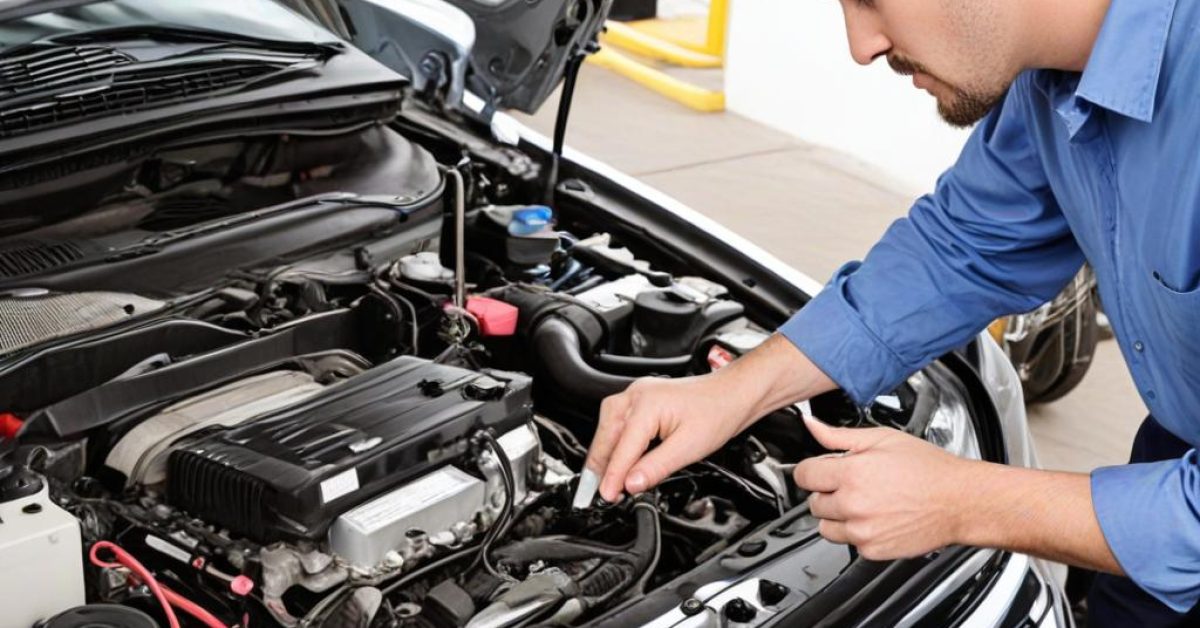
During an emissions-related diagnostic appointment, we can inspect common failure points and scan for fault codes that may be contributing to a failed result:
- The exhaust system
- The fuel system
- The engine’s computer and onboard diagnostics
- Emissions control components like the catalytic converter and O2 sensors
If your vehicle passes at a state-approved testing station, you’re good to go until your next required inspection cycle. If it fails at a state-approved testing station, our experienced mechanics can diagnose the cause and recommend repairs that address the issue so you can return for an official retest.
How to Reduce the Risk of Failing Again
To reduce the risk of a failed result, consider these maintenance and diagnostic steps before you visit a state-approved testing station:
- Ensure your vehicle is warmed up before the test.
- Address any check engine lights or other warning indicators before testing.
- Perform regular maintenance, including oil changes and air filter replacements.
- Consider a pre-test inspection to catch any potential issues.
Metric Motors: Your Clean Air Champion in Loveland
Don’t let a failed result or a check engine light stress you out. At Metric Motors, we’re committed to keeping Loveland’s air clean and your vehicle running smoothly. Our expert technicians can diagnose emissions-related faults and complete repairs that address the root cause, but we can’t guarantee a pass on an official inspection.If you received a failed result, schedule emissions-related diagnostics and repairs with us, then complete your official test or retest at a state-approved testing station.
Final Thoughts
Clean air is more than a legal requirement; it’s a responsibility we share as members of the Loveland community. By keeping our vehicles well-maintained and repairing emissions-related issues, we contribute to better air quality, improved public health, and a more sustainable environment.
Moreover, a failed result or an active warning light can help you catch potential issues early, potentially saving you money and headaches down the road. At Metric Motors, we’re committed to diagnosing emissions-related problems and keeping your vehicle running at its best.