
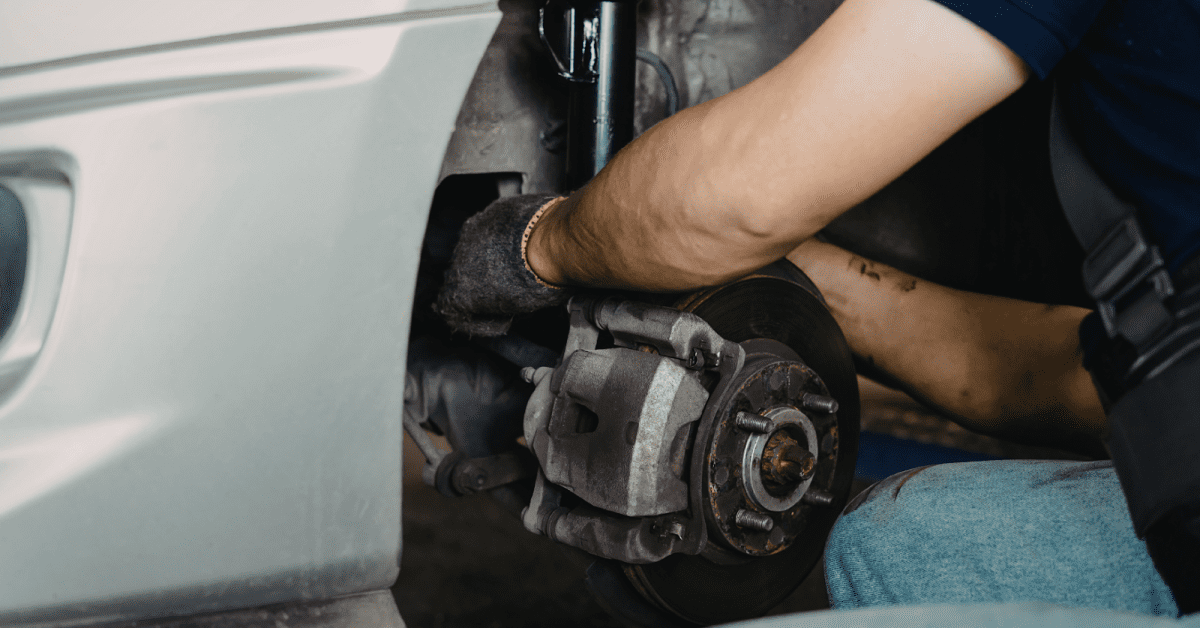
When your car starts making new sounds, it is easy to hope they will go away on their own. A small clunk over bumps, a rattle near the front end, or a strange noise while turning may not seem urgent at first. But car suspension noises often mean something in the steering and suspension system is wearing down, getting loose, or no longer working the way it should. That matters because your suspension helps your vehicle stay stable, keeps the wheel planted, and supports safe driving every day.
A problem can start small and quiet, then slowly develop into bigger issues. You may notice a clunking noise in the front, a loose feel in the steering wheel, or a rougher ride from the rear. In some cases, the car may still feel drivable, but the symptoms are already telling you something important. Understanding suspension noises can help you act sooner, protect your tires, avoid extra damage, and spend money more wisely on the right repairs instead of guessing at the wrong fix.
What Do Car Suspension Noises And Suspension Noises Usually Mean?
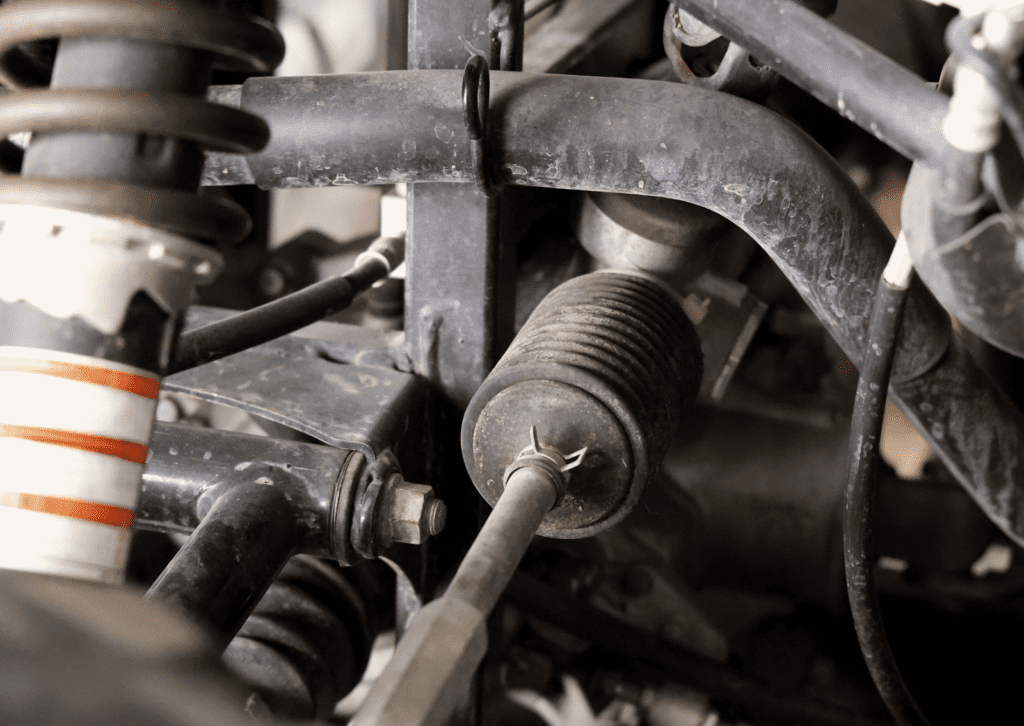
Car suspension noises are often your vehicle’s early warning system. The suspension supports the chassis, helps the car absorb bumps, and keeps the tires in better contact with the road. At the same time, the steering system works through the steering wheel, steering column, steering rack, and related parts to help you control direction. When these systems start to wear, the sounds you hear can be one of the first signs.
A noise does not always mean one part is broken right away, but it can mean looseness, wear, or movement where there should not be movement. That is why suspension noises deserve attention. A clunk, rattle, or knock may come from worn ball joints, loose bushings, tired struts, or control arm problems. A vague steering feel or delayed response can also point to related steering components.
The hard part is that the sound may seem to come from one spot when it is really traveling through the metal structure of the car. A front-end noise may feel like it comes from the wheel area, while a rear noise may echo through the whole vehicle. That is why listening carefully matters, but a full inspection matters even more.
Which Suspension Noises Should You Never Ignore?
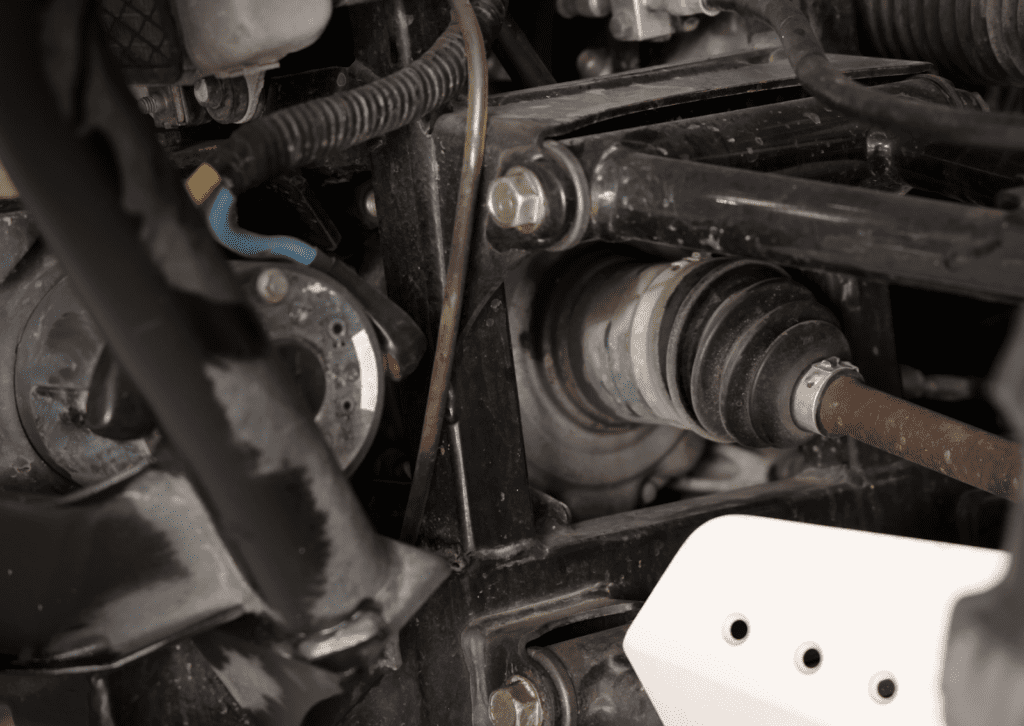
Some sounds are more than just annoying. They are common warning signs that something in the suspension or steering system may need attention.
- A clunk or clunking noise over bumps can point to looseness in suspension components such as ball joints, bushings, links, or the control arm.
- Rattles on rough roads may mean worn rubber bushings, a loose part, or movement between components that should stay tight.
- Noise while turning can be a sign of wear in steering parts, the steering rack, rack and pinion, or joints that help the wheel change direction.
- A rough or bouncy ride may suggest worn struts or related suspension parts that no longer control motion well.
- A vibration in the steering wheel can go along with steering and suspension issues, tire wear, or wheel alignment problems.
Not every sound will lead to the same repair, but ignoring the warning signs is risky. A loose part is liable to wear out nearby parts faster. What starts as a small noise can turn into more expensive repairs if the damage spreads. If the car feels less stable during braking, turning, or hitting bumps, that is a strong sign to stop waiting and get it checked.
How Do Control Arm Bushings And The Control Arm Affect Ride Quality?
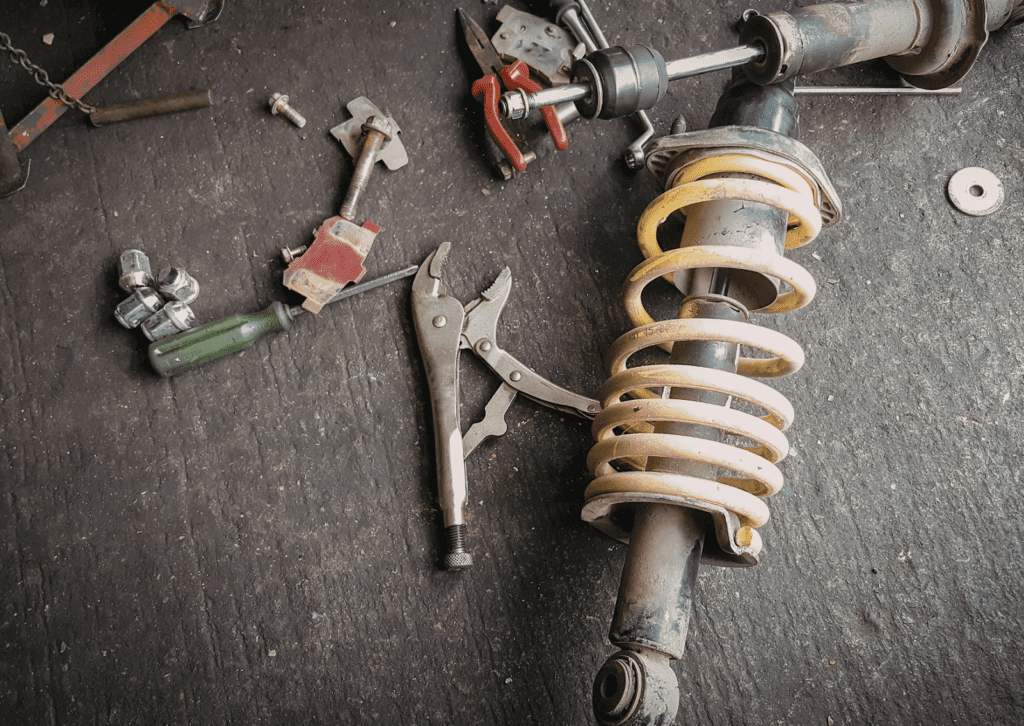
The control arm is one of the essential parts that helps position the wheel correctly as the suspension moves. It plays a major role in stability, alignment, and how the vehicle reacts under real driving forces. The control arm works together with control arm bushings, which help cushion movement and reduce harshness.
When control arm bushings begin to wear, the change may be subtle at first. You may hear a clunk, feel a little looseness, or notice that the car does not track as smoothly as it used to. Because these bushings help manage movement between parts, wear in this area can also create rattles, uneven tire wear, and a drifting sensation over time.
This kind of wear can be especially noticeable when the car shifts weight. You may hear more sounds when braking, accelerating, or rolling over uneven pavement. The vehicle may also feel less settled at the end of a turn. If the control arm or its bushings need replacement, waiting too long can make the rest of the suspension work harder than it should.
How Do Ball Joints And Steering Components Affect Control?
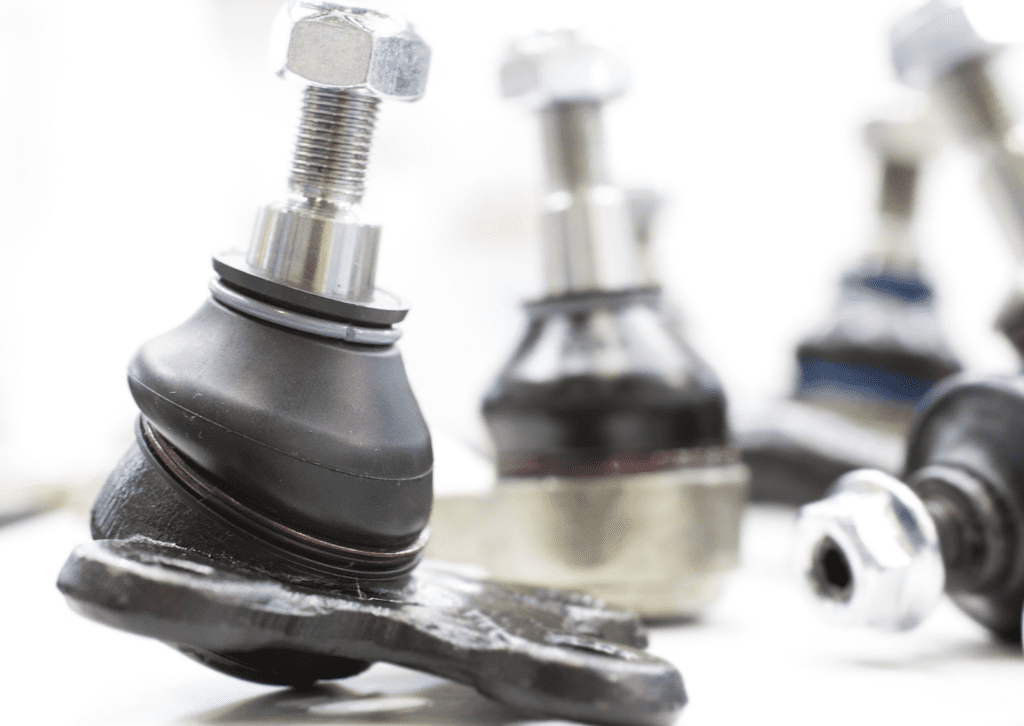
Ball joints help the suspension move while supporting the weight of the vehicle. They work alongside tie rods and other steering components that connect your steering input to the wheel. When these parts are healthy, the car feels planted and responsive. When they wear, the car can start to feel loose, clunky, or unpredictable.
A worn joint can create a clunking noise when you hit bumps or turn at low speed. It can also make the steering wheel feel vague or slow to return after a turn. In more advanced cases, you may feel looseness through the steering column, or notice that the car wanders instead of holding a clean line.
These problems are not only about comfort. They affect control. If a joint is loose, the wheel may not stay where it should under load. That can lead to tire wear, shaky handling, and more strain on nearby components. In plain terms, if your steering feels off and you hear a noise at the same time, ball joints and related steering parts deserve a close check.
Can Struts And Other Suspension Components Change How Your Car Feels?
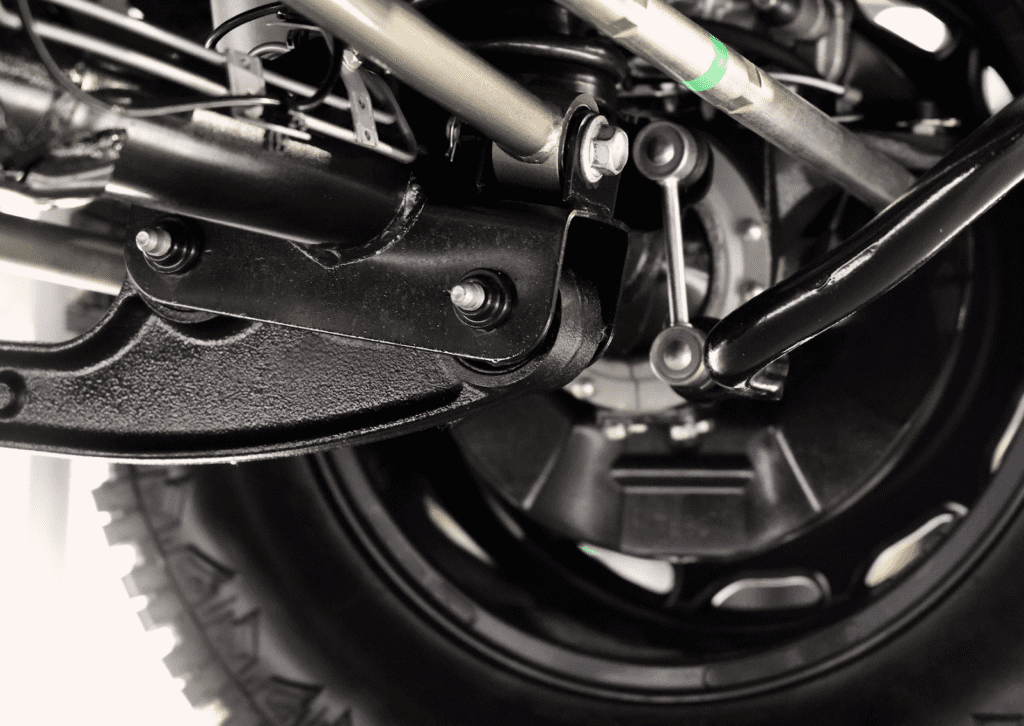
Yes, absolutely. Struts are a big part of how the suspension controls movement. They help the car stay steady after bumps, reduce excess bouncing, and support ride stability. When struts wear down, you may notice that the vehicle feels less controlled, more floaty, or harsher on rough roads.
This change in feel can show up in several ways. The front end may dip more during braking. The car may sway more in turns. You may hear a noise as the suspension compresses and rebounds. In some cases, drivers describe the car as no longer feeling planted. Even if the ride is still manageable, the difference in control is worth paying attention to.
Other suspension components can add to the same problem. Worn bushings, tired links, and related upper hardware such as strut mounts may contribute to extra sounds and movement. Drivers may also confuse suspension sounds with noises from other areas, including brakes, exhaust, motor mounts, or even the engine. That is one reason a real diagnosis matters more than trying to match a sound from a video you watch online.
Why Do Tire Wear, Wheel Alignment, And The Steering Wheel Matter?
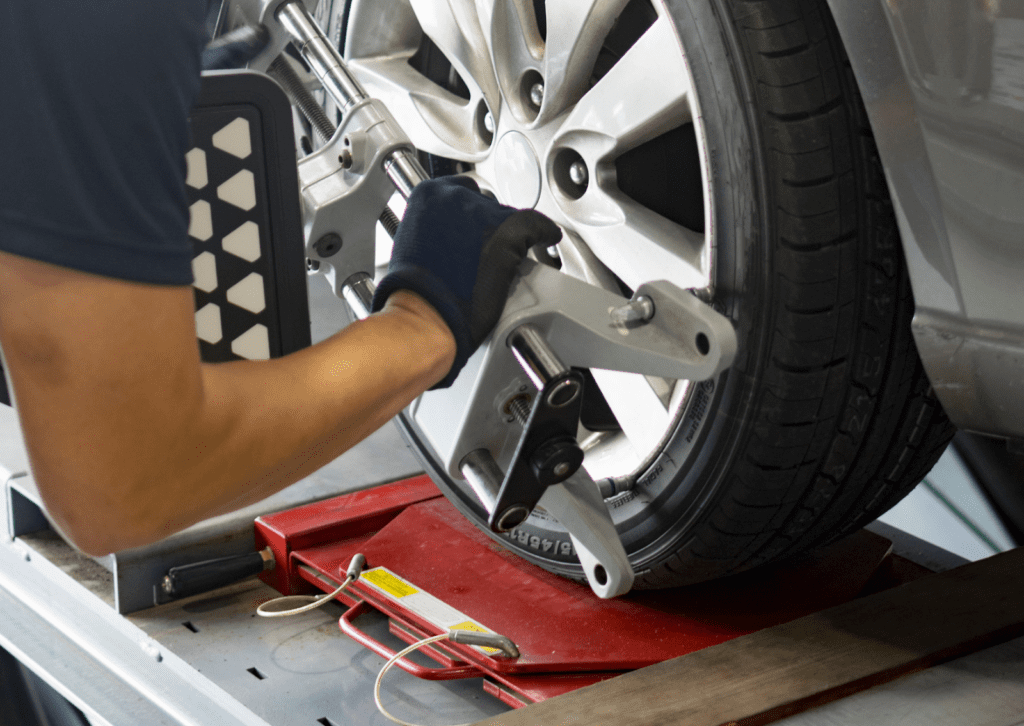
Tire wear can tell you a lot about what is happening underneath your car. If the wheel angles are off, or if worn parts allow too much movement, the tire may scrub the road instead of rolling cleanly. Over time, that can create uneven wear, shorten tire life, and make the vehicle feel less stable.
Wheel alignment is important, but alignment alone is not always the full answer. If ball joints, control arm bushings, tie rods, or other suspension components are loose, alignment may not hold the way it should. That is why many steering and suspension repairs follow a simple order: inspect the system, fix worn parts, then align the vehicle.
Your steering wheel can also tell you a lot. If it vibrates, feels loose, seems off-center, or does not respond smoothly, that is useful information. Problems in the steering rack, rack and pinion, steering column, or connected parts may show up through the steering wheel long before a driver sees obvious damage. Paying attention to what you hear and what you feel can help you understand the problem sooner.
What Should You Check Before You Approve Repairs Or Replacement?
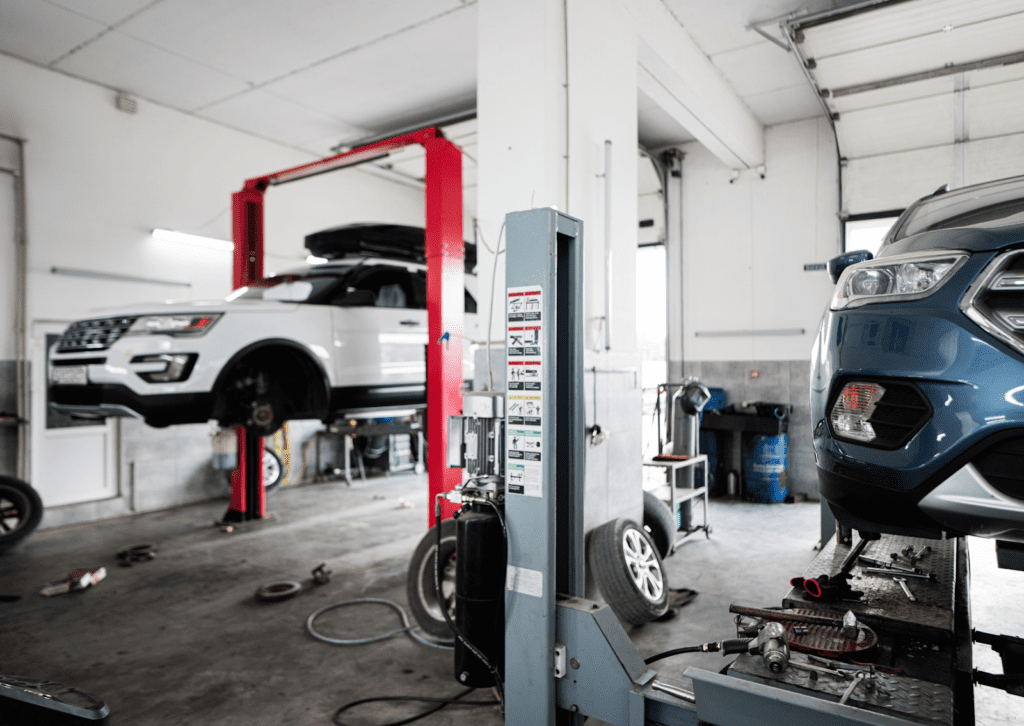
Before any fix, it helps to gather a few details. This does not replace a professional inspection, but it can make the diagnosis clearer and help you explain the symptoms.
- Notice when the noise happens. Does it show up over bumps, during turning, while braking, or at low speed in a parking lot?
- Listen for where it seems strongest. Is it from the front, rear, left side, right side, or the center of the chassis?
- Pay attention to how the car feels. Do you notice looseness, drifting, bouncing, or a steering wheel that does not feel right?
- Check for tire wear patterns, changes in ride comfort, or a sound that is getting louder over miles.
- If you look underneath, never get under a vehicle supported only by a jack.
You can read content online, follow links, and compare sounds to clips on the internet, but there is a limit to how far that idea can take you. Many problems sound alike. A clunk might come from bushings, a joint, struts, or another loose part. The best path is a full inspection that checks the whole system instead of guessing and replacing parts one by one.
What Should You Do If Car Suspension Noises Keep Getting Worse?
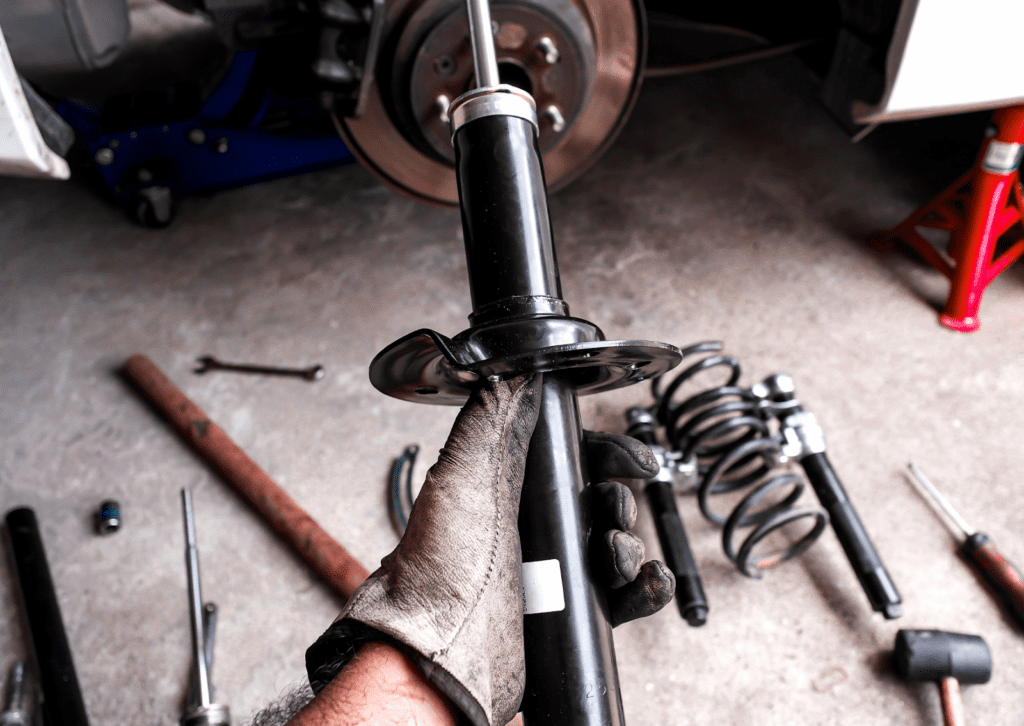
If car suspension noises keep coming back, do not ignore them. Problems in the steering and suspension system rarely fix themselves. More often, they slowly get worse and create more wear around them. A bushing that has too much play can stress nearby parts. A loose joint can lead to bigger handling problems. Poor alignment can wear down a tire faster than expected. What begins as one noise can turn into several issues by the time you notice how much the ride has changed.
The good news is that these sounds usually give you a warning before the problem becomes severe. If you hear clunks, notice rattles, feel looseness, or sense that the car is no longer quiet and controlled, take that as a sign to act. The goal is not only to stop the noise. It is to protect the vehicle, improve safety, and make sure the repairs actually solve the real cause. When the system is checked properly, the right parts can be repaired or replaced in the right order, and the car can return to feeling steady, safe, and easier to drive.

If you want a clear answer and a practical fix, schedule a steering and suspension inspection at Metric Motors. Call us today at 970-667-2044.
Works Cited
“Are Your Steering and Suspension Components Putting Your Safety at Risk?” AutomotiveRepairLoveland.com, 19 June 2025, automotiverepairloveland.com/suspension-repair-loveland/steering-and-suspension-components-safety-risk/.
“Cone Zone Season Can Be Tough On Vehicles.” Car Care Council, 7 July 2020, www.carcare.org/2020/07/cone-zone-season-can-be-tough-on-vehicles/.
“Contact Auto Repair Loveland CO Shop.” AutomotiveRepairLoveland.com, automotiverepairloveland.com/.
“Need Steering and Suspension Repair Toyota Loveland CO.” AutomotiveRepairLoveland.com, automotiverepairloveland.com/auto-mechanic-loveland/need-steering-and-suspension-repair-toyota-loveland-co/.
“Prioritize Steering and Suspension System.” AutomotiveRepairLoveland.com, automotiverepairloveland.com/steering-suspension-auto-repair/.
“Vehicle Systems Overview.” Car Care Council, www.carcare.org/vehicle-systems-overview/.