

A flashing check engine light is one of the clearest warning lights your car can give you. When that light starts blinking, it usually means the problem is more urgent than a solid light. In many cases, it points to an engine misfire that needs immediate attention before it can lead to active damage, lower fuel efficiency, or more costly repairs. The first step is to stay calm and pay attention to how the vehicle feels while the engine is running.
For many drivers, the check engine light can feel confusing because the same warning can show up for small issues or serious engine issues. A loose gas cap, worn spark plugs, failing ignition coils, low fuel pressure, bad fuel injectors, failing oxygen sensors, or trouble inside the fuel system can all play a role. The difference is that a flashing light often means the situation is happening right now and can get worse quickly if you keep driving.
If your car is shaking, losing power, making unusual noises, or struggling under hard acceleration, do not brush it off. A flashing check engine light is not just a reminder to book service later. It is a warning that something is wrong and that the risk of bigger repairs is real.
What Does a Flashing Check Engine Light Mean?
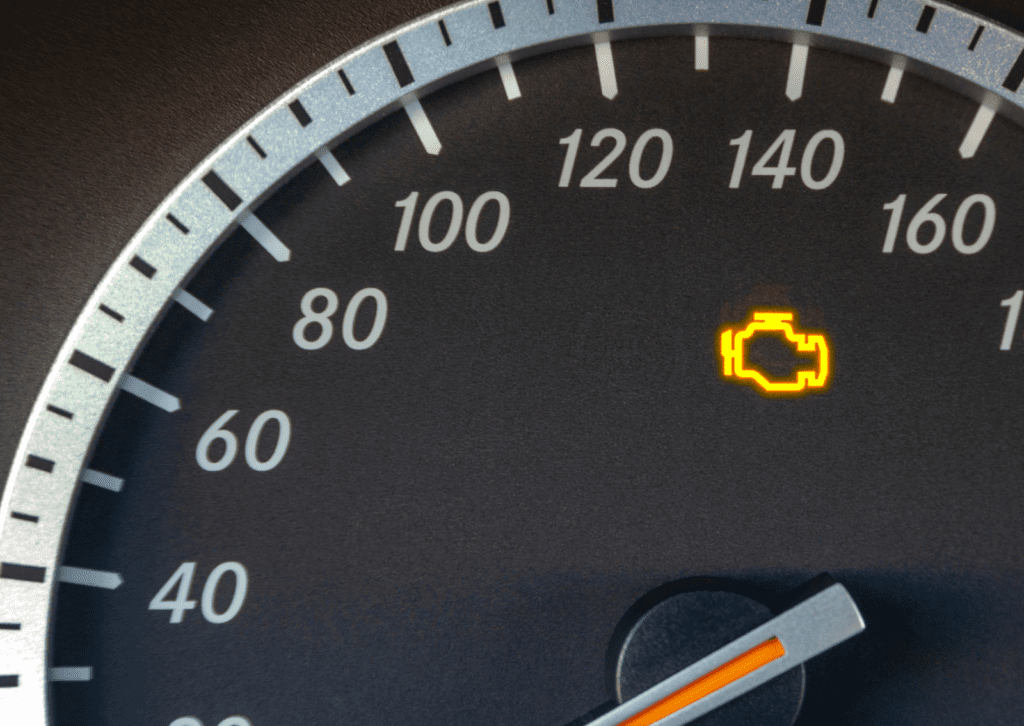
The check engine light is tied to your car’s computer and onboard system. When the system detects something outside its normal range, it stores trouble codes or error codes and turns on the warning. A solid light usually means there is a problem that still needs attention, but a flashing check engine light raises the level of concern because the problem may be severe enough to damage essential components if ignored.
A flashing check engine light often points to a misfire. That means one cylinder, or sometimes more than one, is not burning fuel the right way. When a misfiring cylinder stops firing correctly, the engine can run rough, lose smooth power, and waste fuel. That can also affect fuel mileage, drivability, and overall engine performance.
This is why a flashing check engine warning should never be treated like a normal dashboard light. It is the vehicle’s way of saying immediate action matters.
Why Does Check Engine Light Flashing Often Point to Engine Misfire?

When drivers see the check engine light flashing on the dashboard, engine misfire is one of the most common reasons. A misfiring engine does not complete combustion properly in one or more cylinders. Instead of a clean burn, the system may leave behind unburned fuel that travels into the exhaust system. That can create a serious risk for parts farther down the line.
A misfire can happen at idle, during acceleration, or at high speeds. You may feel shaking, reduced power, hesitation, or a rough-running engine. In some cars, the problem feels mild at first. In others, the flashing check engine warning appears almost immediately with rough performance.
This is also why the engine light matters so much. A flashing check engine light is not only about the light itself. It is about what that light is warning you about: a possible misfire, uneven combustion, and the chance that one bad cylinder can lead to bigger system damage if you keep driving.
What Common Causes Can Trigger a Flashing Check Engine Warning?

There are several common causes and common reasons why a flashing check engine light may come on. Some are tied to ignition, some to fuel delivery, and some to wear inside important engine components.
- Worn spark plugs or damaged plugs that can no longer fire correctly
- Weak ignition coils or a failing coil that interrupts ignition
- Fuel injectors that are clogged, leaking, or not delivering fuel properly
- Low fuel pressure in the fuel system
- Oxygen sensors that send the wrong information to the car’s computer
- A loose gas cap that affects the pressure in the gas tank
- A misfiring cylinder caused by ignition, fuel, or internal engine wear
- Coolant-related overheating that adds stress to the engine and system
The owner’s manual can help explain warning lights for your model, but it will not replace a proper diagnosis. If the car feels rough, if the flashing light keeps returning, or if the warning shows up during hard acceleration, it is smart to have a repair shop inspect it before the cost climbs.
How Do Spark Plugs, Ignition Coils, and the Fuel System Affect the Engine?

Spark plugs, ignition coils, fuel injectors, and fuel pressure all work together to keep the engine burning fuel the right way. If one part in that chain starts to wear out or fails, the result can be a flashing check engine light and a vehicle that does not run the way it should.
Spark plugs create the spark needed for combustion. Ignition coils send the electrical power needed to fire those plugs. If the plugs are worn or a coil is weak, the cylinder may misfire. Fuel injectors then have the job of delivering the correct amount of fuel. If they are dirty or failing, the air and fuel balance can go wrong. Low fuel pressure can create the same problem by starving the engine when it needs steady fuel flow.
This can lead to poor fuel efficiency, rough starts, weak response, loss of power, or unusual noises. It can also make the car feel worse at high speeds or under load. When one part in the ignition or fuel system is off, it can throw off the whole system and make the fix more urgent.
Why Is the Catalytic Converter at Risk When the Engine Light Is Flashing?

The catalytic converter is part of the exhaust system and plays an essential role in reducing harmful emissions. When an engine misfire sends unburned fuel into the exhaust system, that extra fuel can overheat the catalytic converter and cause active damage. That is one of the biggest reasons a flashing check engine light deserves immediate attention.
If the converter gets damaged, the cost of repairs can rise fast. Parts alone can be expensive, and labor costs can add even more. What started as spark plugs, ignition coils, or fuel injectors may lead to a much larger repair bill if the original issue is ignored too long.
This is where the real risk shows up. The flashing check engine light is not just warning you that something feels wrong. It is warning that the problem can lead to damage in another major component if the car keeps being driven the same way.
What Should You Do Immediately If the Flashing Light Starts While Driving?

If the flashing light comes on while you are driving, the safest response is to stay calm and take immediate action based on how the vehicle feels.
- Ease off the gas and avoid hard acceleration
- Reduce speed, especially if the warning starts at high speeds
- If the car shakes, loses power, or makes unusual noises, pull over when safe
- If the engine is running very rough, stop driving and get help immediately
- Check for a loose gas cap if it is safe to do so
- Avoid assuming it is minor just because the car still moves
- Use a code reader only after the vehicle is safely parked
The key is to avoid making the problem worse. A flashing check engine warning is different from a steady warning. If the vehicle feels unsafe, do not try to push it farther than necessary.
How Can Trouble Codes and a Repair Shop Find the Right Fix?

Trouble codes are useful because they give the mechanic a starting point, but codes alone do not always tell the full story. A code reader can show where the system noticed a fault, but a full diagnosis is still needed to confirm what needs to be repaired or replaced.
That is why an experienced auto mechanic or service center looks at more than the stored codes. A proper check includes how the engine is running, whether one cylinder or more than one cylinder is affected, whether the fuel system is delivering properly, and whether ignition or exhaust system parts are showing signs of failure. The car’s computer helps guide the process, but the right fix comes from testing and inspection, not guessing.
This matters because several issues can look similar at first. A misfire code may point toward spark plugs, ignition coils, fuel injectors, oxygen sensors, or another part of the system. The goal is to fix the real cause before it leads to repeat repairs, wasted labor costs, or even bigger engine issues.
Why Should Loveland Drivers Treat a Flashing Check Engine Light as an Urgent Warning?

Loveland drivers should treat a flashing check engine light as an urgent warning because waiting usually raises the risk and the cost. A blinking engine light may start with rough idle, weak acceleration, or poor fuel mileage, but it can quickly lead to deeper engine trouble, catalytic converter damage, and more expensive repairs. The warning is telling you the problem is active now, not weeks from now.
If the vehicle feels rough, struggles to start, or sounds different, it is time to act. The smart move is to avoid guesswork, protect the engine, and get a proper diagnosis before a small issue grows into something much harder to fix. Fast attention can protect your car, your wallet, and your peace of mind.

Take immediate action by booking a diagnostic visit with Metric Motors. Their Loveland repair shop offers check engine light diagnosis, engine services, and fuel system support designed to identify the problem, explain the next step clearly, and help you avoid more costly repairs. Call us today at 970-667-2044.
Final Thoughts
A flashing check engine light is one of the clearest signs that your car needs help right away. Whether the cause is worn spark plugs, weak ignition coils, fuel injectors, low fuel pressure, oxygen sensors, or another system problem, the warning should never be ignored. The sooner you respond, the better your chance of avoiding active damage and keeping repair costs under control. If your vehicle starts blinking, running rough, or losing power, treat it like the urgent warning it is and get it checked before the problem grows.
Works Cited
“Check Engine Light: Common Causes & Fixes Guide.” Automotive Repair Loveland, 2 Apr. 2024, automotiverepairloveland.com/car-maintenance-loveland/guide-check-engine-light-diagnosis/. Accessed 11 Mar. 2026.
“Environmental Fact Sheet: Frequently Asked Questions About On-Board Diagnostics.” U.S. Environmental Protection Agency, nepis.epa.gov/Exe/ZyPURL.cgi?Dockey=P1009Z15.TXT. Accessed 11 Mar. 2026.
“Fuel Economy.” FuelEconomy.gov, U.S. Department of Energy and U.S. Environmental Protection Agency, www.fueleconomy.gov/feg/factors.shtml. Accessed 11 Mar. 2026.
“Understanding Your Check Engine Light.” Automotive Repair Loveland, automotiverepairloveland.com/check-engine-light-diagnosis/. Accessed 11 Mar. 2026.
“What You Should Know About Car Engine Repair Services: From Diagnostics to Overhauls.” Automotive Repair Loveland, 21 Aug. 2025, automotiverepairloveland.com/auto-engine-repair-service/car-engine-repair-services-diagnostics-overhauls/. Accessed 11 Mar. 2026.