

Electric vehicle fleet maintenance is now a practical need for many fleets, not a future idea. Fleet managers still want the same outcomes they wanted with traditional vehicles: safe vehicles, reliable fleet operations, and predictable operating costs. The difference is that electric vehicles shift the work away from the internal combustion engine and toward the battery system, charging infrastructure, and energy management that makes vehicle charging consistent.
Because electric vehicles have fewer moving parts, many fleets experience reduced maintenance in certain categories, including eliminating oil changes. But EVs are not “no maintenance.” Ev fleet maintenance is about protecting battery health, keeping charging equipment reliable, and building routines that reduce downtime and lower costs across the entire fleet.
What Does Electric Vehicle Fleet Maintenance Mean For Fleet Operations?
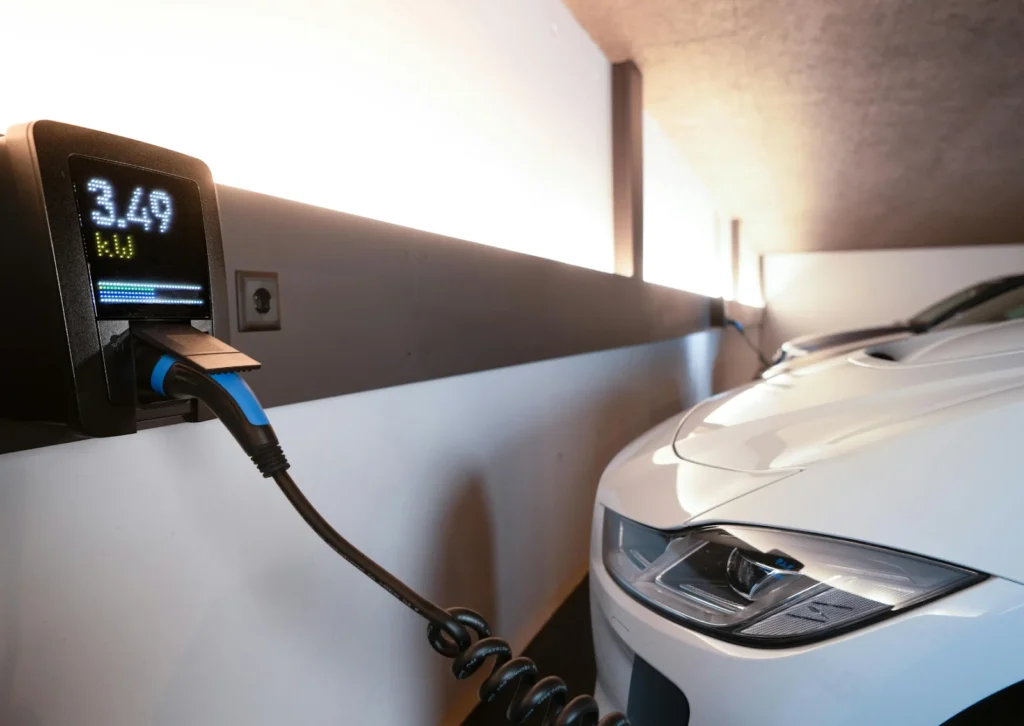
Electric vehicle fleet maintenance is the routine maintenance and preventive maintenance that keeps an electric vehicle fleet ready for daily work. It includes familiar fleet maintenance items like tires, brakes, and safety checks. It also includes EV-specific focus areas that can impact many fleets at once, such as charger reliability at fleet facilities and consistent charging site performance.
A simple way to think about electric vehicle fleet management is that uptime depends on three connected parts: the vehicles, the battery, and the charging infrastructure. If any part is weak, fleet operations suffer. If all three are managed together, you get more stable ev fleet performance, fewer last-minute failures, and clearer control of maintenance costs.
How Do Electric Vehicles Change Routine Maintenance Compared With ICE Vehicles?
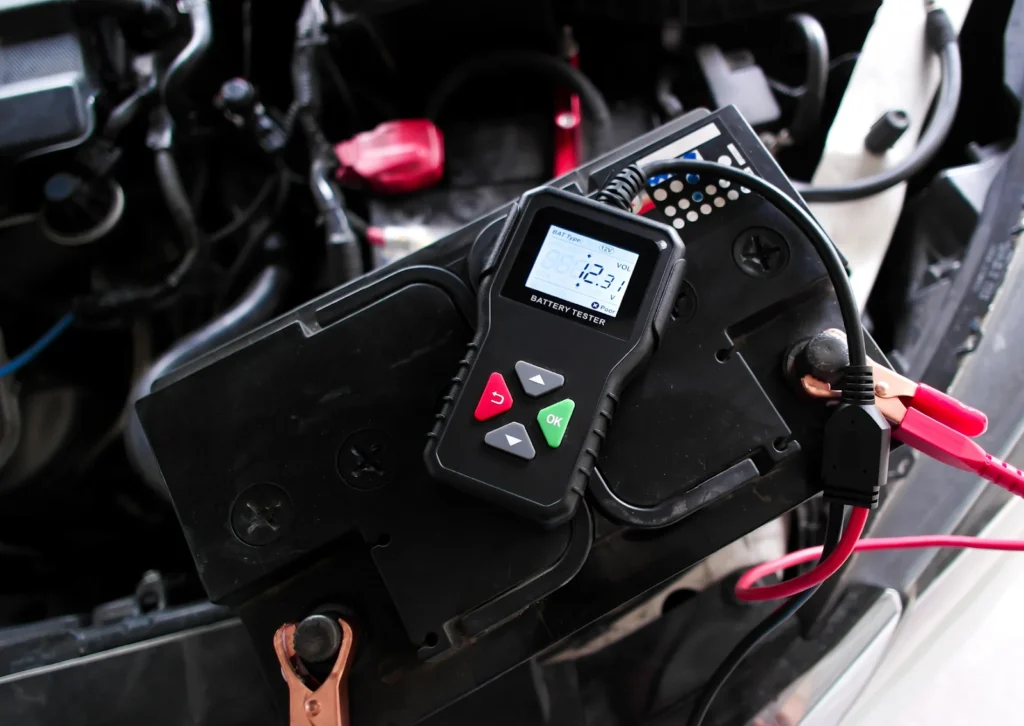
Electric vehicles remove many engine-driven service needs tied to an internal combustion engine, which is a major reason fleets can see less maintenance over time. Ice vehicles often require frequent services related to fuel and combustion. EVs replace that with power electronics and a battery system, so routine maintenance priorities change.
You still need to watch common wear areas that affect efficiency and safety. Tires can wear differently because EVs are heavier and deliver instant torque. Brakes still require inspection, even with regenerative braking, because brakes can corrode or wear unevenly. Extreme temperatures, including extreme cold, can reduce efficiency, change range, and affect charging behavior. These shifts matter for fleet vehicles on tight schedules and predictable routes.
The practical takeaway is simple: treat EVs as their own category, not as ice vehicles with a different fuel.
What Should EV Fleet Maintenance Include Across The Entire Fleet?
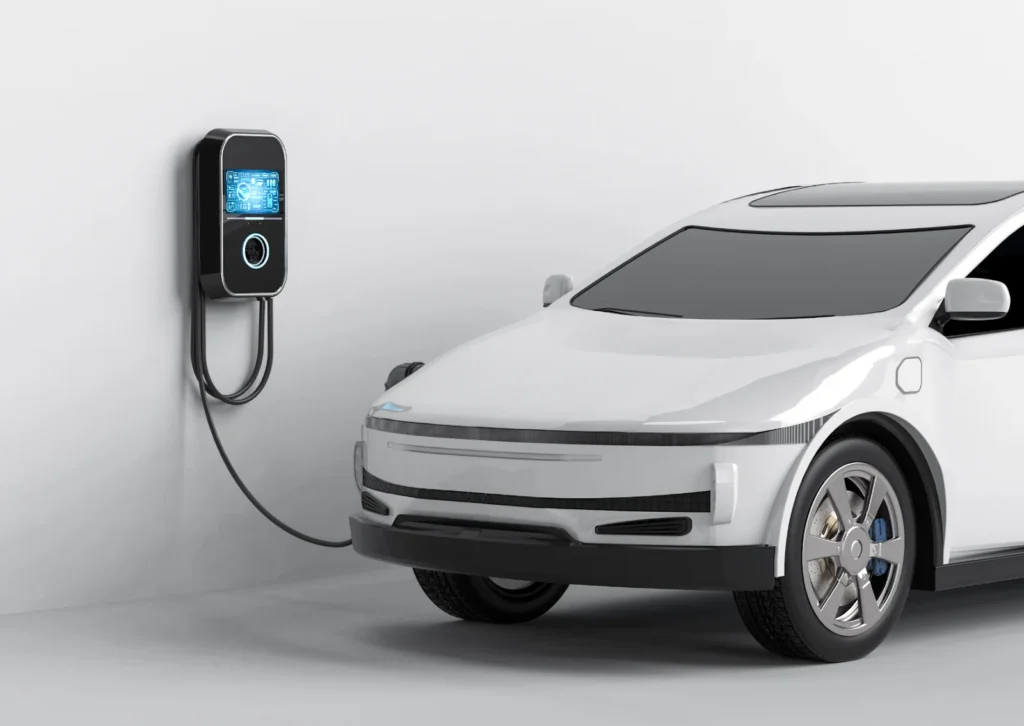
Standardization is how you reduce downtime in an ev fleet. When every vehicle follows the same baseline, you spot trends faster, schedule service smarter, and avoid repeated breakdowns across the vehicle fleet. You can still add extra checks for heavy-duty vehicles, but the baseline should be consistent for the entire fleet.
Use this baseline checklist for electric vehicle fleet maintenance:
- Inspect tires, alignment, steering, and suspension to protect efficiency and prevent rapid wear.
- Inspect brakes and confirm regenerative braking use does not hide brake problems.
- Check cooling and climate control systems before extreme temperatures.
- Scan for faults and document patterns in your fleet management platform.
- Inspect charging ports and charging equipment for damage and contamination.
- Review battery health trends to catch early battery degradation.
- Keep maintenance records current for all fleet vehicles and for the entire fleet.
This creates valuable insights that help fleet managers plan service windows, rotate vehicles, and support lower operating costs.
How Do EV Batteries, Battery Health, And Charge Cycles Affect Battery Life?
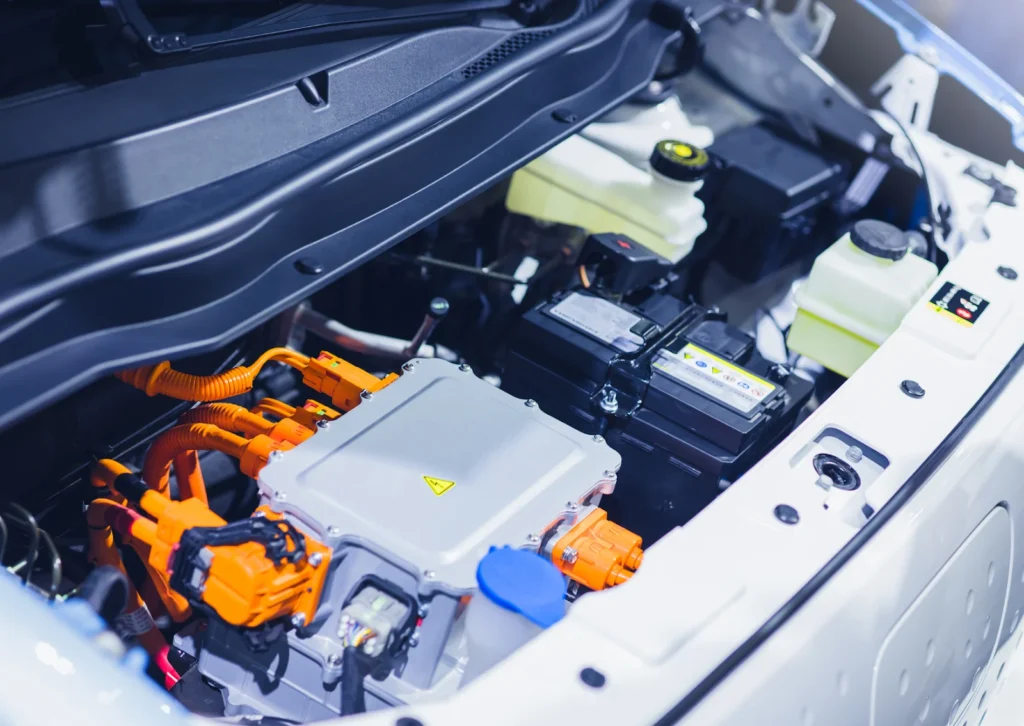
Ev batteries shape uptime, costs, and long-term total cost more than any other EV component. Battery life is influenced by age, temperature, and charge cycles. Battery degradation is expected, but it can accelerate when batteries are repeatedly stressed by fast charging, high heat, or heavy daily use without good charging habits.
The fleet-friendly goal is to protect battery health without overcomplicating the process. Match EV assignments to predictable routes when possible, so charging can be planned instead of rushed. Use overnight charging when it fits operations, because it supports steadier charging and smoother dispatch. Use fast charging when needed for route reality, not as the default for every shift. These habits support reduced maintenance risk, better ev fleet performance, and fewer surprise power limits that remove vehicles from service.
How Should EV Charging Infrastructure And A Charging Site Be Designed For Fleet Facilities?
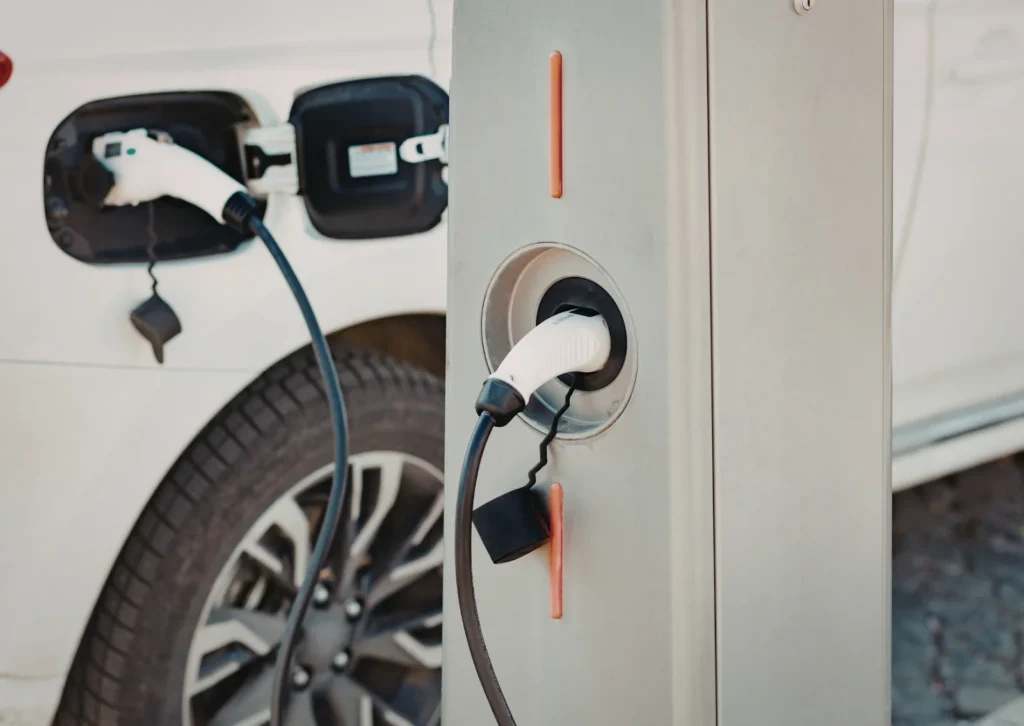
Ev charging infrastructure is where fleet electrification often succeeds or fails. A reliable electric vehicle fleet depends on reliable charging stations, a well-designed charging site, and enough electrical capacity to support current needs and growth. If charging infrastructure is undersized, you get lines, delays, and missed work even when the vehicles are healthy.
Charging infrastructure planning should include layout, protection, and expansion. Chargers should be placed where fleet vehicles naturally park, with safe cable management and clear traffic flow. Fleet facilities should also set simple rules for vehicle charging. For most fleets, charging at fleet facilities is the most predictable option, while public charging and public charging stations are best treated as backup for longer routes or unusual days.
Coordinate early with a utility provider. Electrical upgrades and rate structures can change energy costs and total cost, and early planning helps cut costs and avoid surprises.
How Can EV Fleet Charging And Energy Management Lower Operating Costs And Demand Charges?
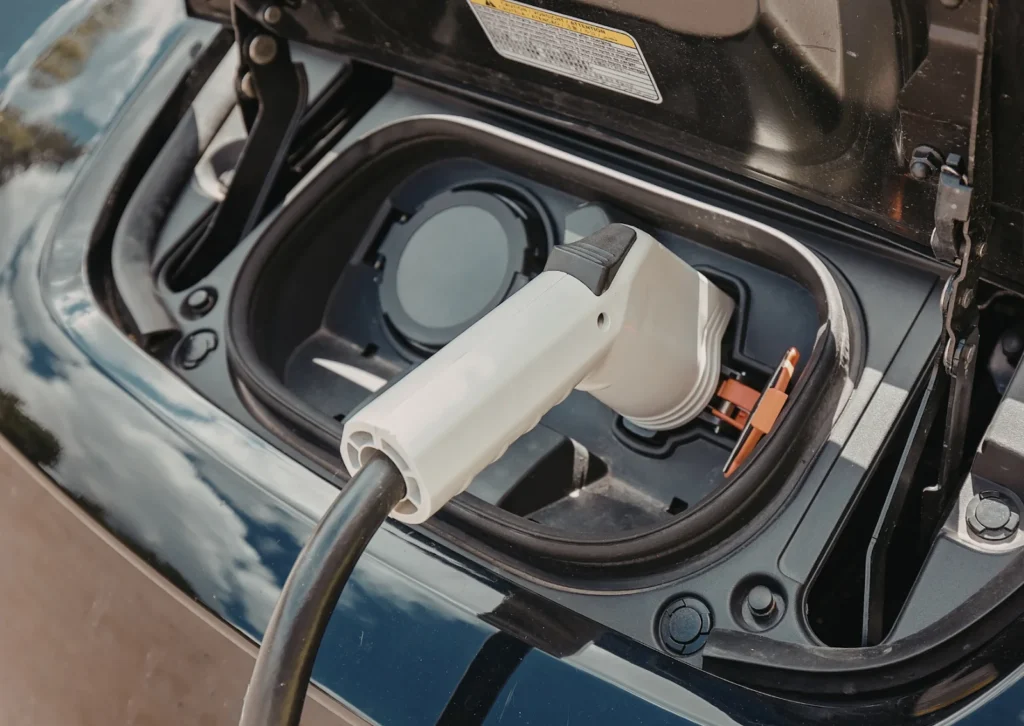
Ev fleet charging is not only about keeping vehicles charged, it is about controlling costs. Electricity replaces fuel, so fuel costs become energy costs. The hidden risk is demand charges, which can raise operating costs when several vehicles charge at once during peak periods. Energy management is the discipline that prevents this.
Use these actions to improve energy management and ev fleet charging:
- Schedule overnight charging when possible to avoid peak load.
- Stagger charging so several vehicles do not charge at maximum power at the same time.
- Prioritize vehicle charging based on dispatch time and route length.
- Monitor charging equipment for faults that slow charge sessions or cause failed charge events.
- Review charging data monthly to cut costs and improve operational efficiency.
This approach supports lower costs, more predictable fleet operations, and fewer disruptions caused by charging bottlenecks.
How Do Fleet Electrification, Mixed Fleets, And Driver Training Improve Operational Efficiency?
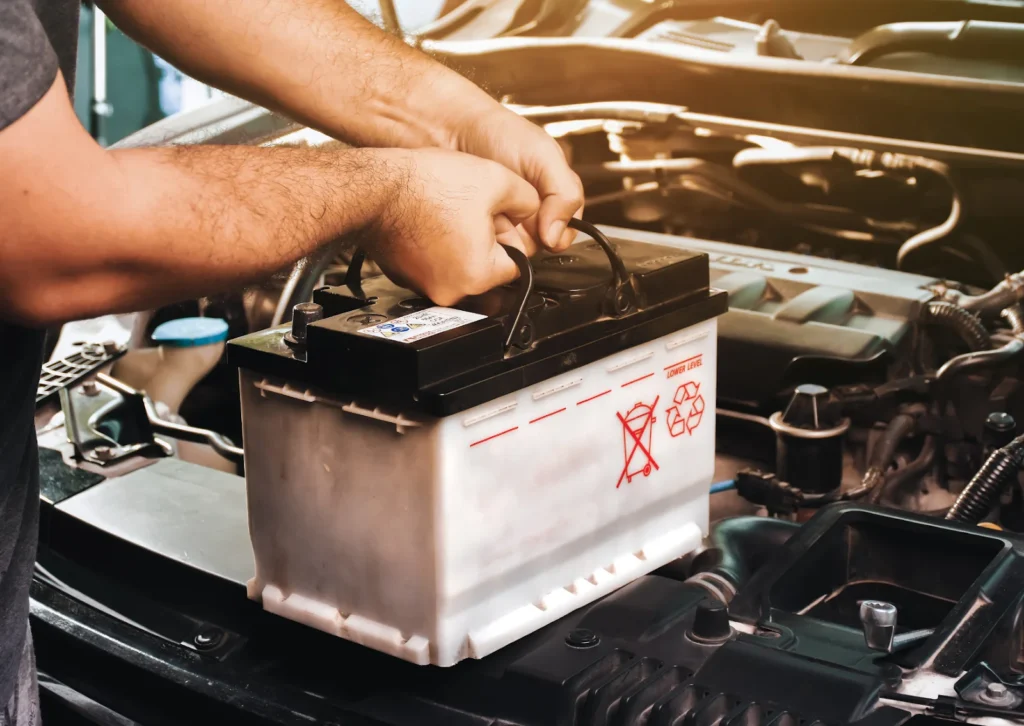
Most fleets operate mixed fleets during the transition, combining electric vehicles with ice vehicles. That is normal, but it requires clear rules so dispatch, drivers, and maintenance are aligned. Fleet electrification also brings upfront costs, so fleets should plan budgets, timelines, and charging infrastructure upgrades as part of electric vehicle fleet management.
Driver training is one of the simplest ways to reduce downtime and lower costs. Drivers influence range, charge behavior, and wear. Training should explain regenerative braking, charging etiquette, and how extreme temperatures affect vehicles. It should also clarify when to use public charging stations, when to return to the charging site, and how to report issues early. Over time, good training protects battery health and improves efficiency.
Fleets should also watch government incentives and tax credits that may reduce upfront costs for fleet vehicles and charging infrastructure. Planning around incentives can improve total cost outcomes for many fleets.
Final Thoughts

Electric vehicle fleet maintenance works best when you manage the system, not just the vehicle. Standardize ev fleet maintenance across the entire fleet, protect battery health through smart charge habits, and build reliable ev charging infrastructure at fleet facilities. Use energy management to control demand charges and energy costs, and train drivers so daily habits support efficiency and uptime. Do this consistently, and you will reduce downtime, improve ev fleet performance, and reach lower operating costs without sacrificing reliability.
If you want expert knowledge and hands-on support for electric vehicle fleet maintenance, schedule service with Metric Motors.
Works Cited
“Maintenance and Safety of Electric Vehicles.” Alternative Fuels Data Center, U.S. Department of Energy, https://afdc.energy.gov/vehicles/electric-maintenance. Accessed 19 Feb. 2026.
“Managed Charging.” Alternative Fuels Data Center, U.S. Department of Energy, https://afdc.energy.gov/fuels/electricity_charging_managed.html. Accessed 19 Feb. 2026.
“Managed EV Charging for Federal Fleets.” Federal Energy Management Program, U.S. Department of Energy, https://www.energy.gov/femp/managed-ev-charging-federal-fleets. Accessed 19 Feb. 2026.
“Impact of Cold Ambient Temperature on BEV Performance.” U.S. Department of Energy, Oct. 2024, https://www.energy.gov/sites/default/files/2024-10/Impact_of_Cold_Ambient_Temperature_on_BEV_Performance_v15_TechEditFinal_12Sep2024__0.pdf. Accessed 19 Feb. 2026.
“Commercial Clean Vehicle Credit.” Internal Revenue Service, https://www.irs.gov/credits-deductions/commercial-clean-vehicle-credit. Accessed 19 Feb. 2026.
“Alternative Fuel Vehicle Refueling Property Credit for Businesses.” Internal Revenue Service, https://www.irs.gov/credits-deductions/alternative-fuel-vehicle-refueling-property-credit-for-businesses. Accessed 19 Feb. 2026.