

What Are Fuel System Issues, And Why Do They Affect Engine Performance And Fuel Efficiency?
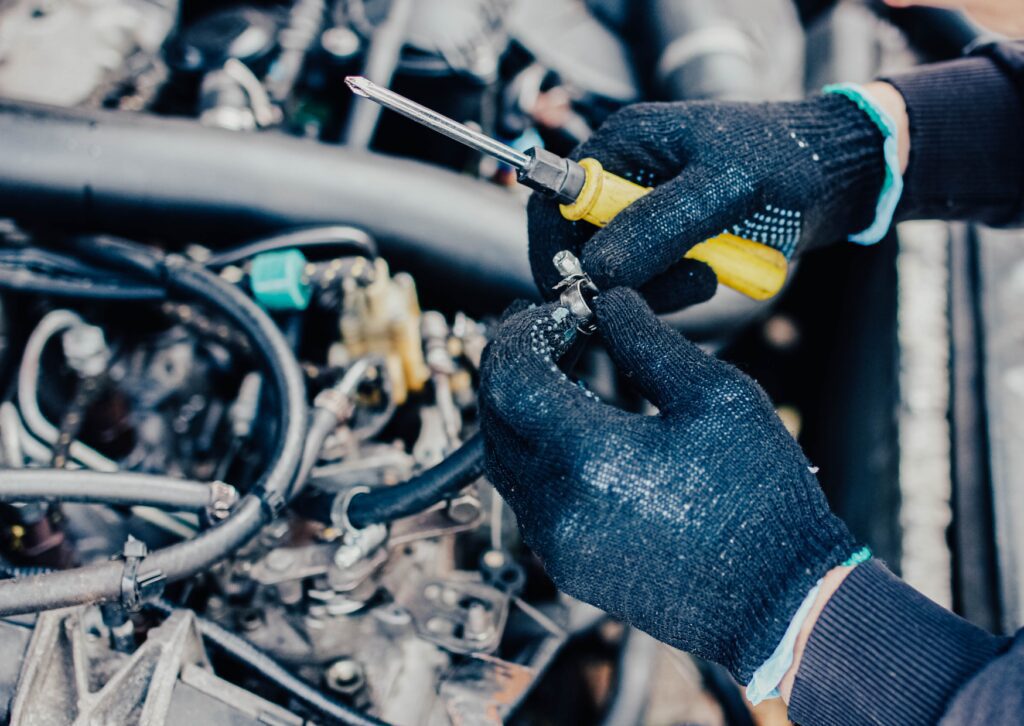
Fuel system issues usually mean something is interrupting the car’s fuel system from delivering fuel to the engine in the right way, at the right time, and in the precise amounts your engine needs. In a Toyota, that system is designed to deliver a steady, measured fuel flow from the fuel tank and through the fuel lines, past the fuel filter, and into the fuel injectors, so your engine can make clean power.
When anything in that chain gets restricted, weak, or leaky, you can feel it fast because the system is tied directly to power, fuel efficiency, and overall performance. Even a small restriction can cause a noticeable drop in throttle response, reduced performance, or reduced fuel efficiency that looks like poor fuel economy and decreased fuel efficiency over time.
A simple way to picture it: Your tank might be full of gasoline, but if the pump cannot move it properly or the filter is clogged, your engine still “feels” starved. That is why early fuel system problem symptoms matter.
What Common Signs Point To Common Fuel System Problems Before They Become Costly Repairs?
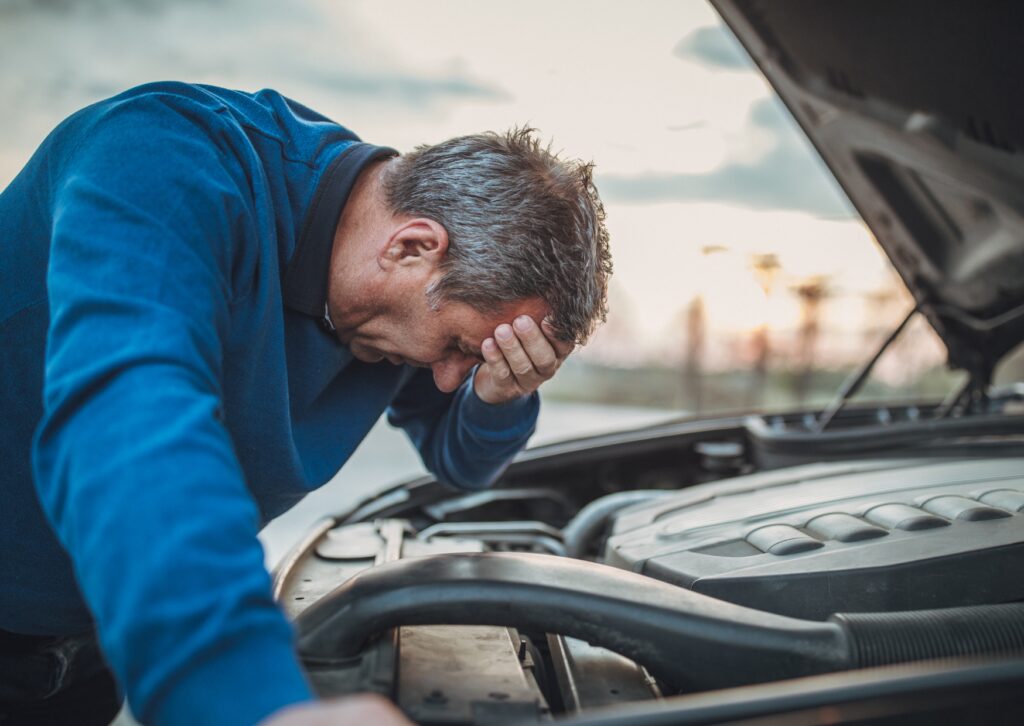
The sooner you spot common signs, the easier it is to fix the issue early and avoid costly repairs or engine damage. Here are the most common fuel system problems symptoms Toyota drivers report:
- Trouble starting or difficulty starting, especially after the car sits
- Engine sputtering, especially under load or at high speeds
- Rough idling at stoplights or when parked
- Poor acceleration, hesitation, or a “flat” feeling when you press the pedal
- Engine misfires, which can trigger a check engine light
- A whining noise from the rear area near the gas tank, especially at startup
- Reduced fuel efficiency, which shows up as fewer miles per tank
- Performance issues that come and go, which often points to inconsistent fuel pressure
If you also notice fuel odors, drips, or wet spots, treat it like a priority because fuel leaks can create safety hazards. A quick inspection can confirm whether the problem is coming from the pump, filter, injectors, or leaking fuel lines.
How Can Contaminated Fuel, Bad Fuel, Or Faulty Fuel Lead To A Clogged Fuel Filter And Clogged Fuel Injectors?
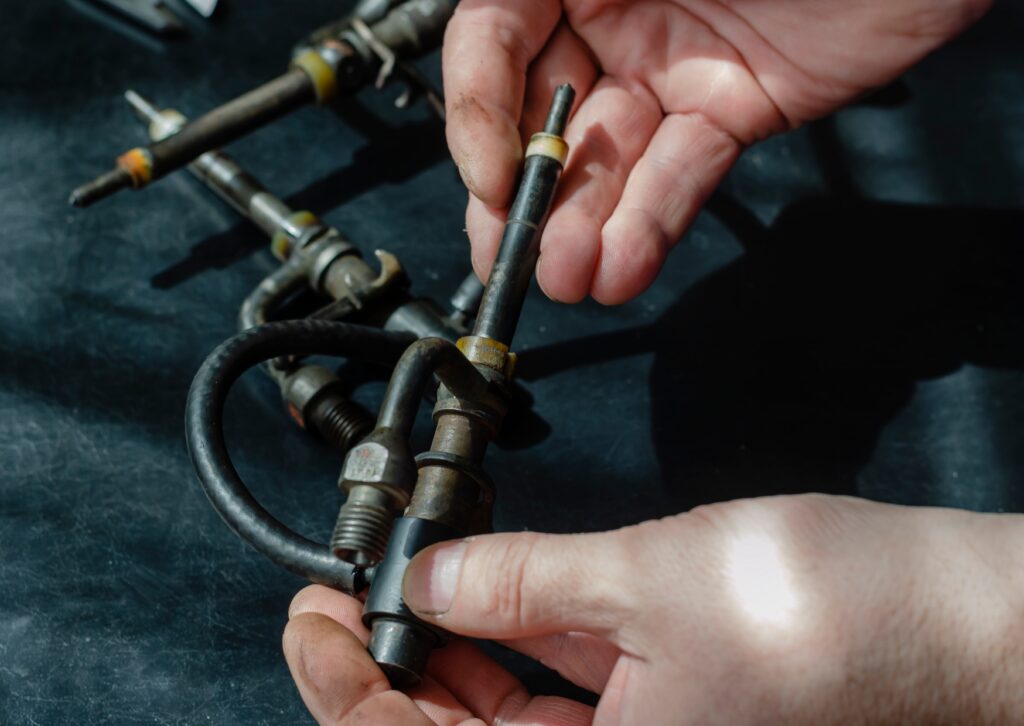
Not all fuel is the same once it hits your car. Contaminated fuel can include water, dirt, rust, or other contaminants from storage tanks, transport, or a station’s equipment. Low-quality fuel or bad fuel can also carry other impurities that do not burn cleanly and may leave more deposits.
Over time, that can cause:
- Clogged fuel filter: The fuel filter’s job is to trap debris before it reaches sensitive components. If it gets restricted, fuel pressure can drop and your Toyota may start sputtering.
- Clogged fuel injectors: Injectors have tiny passages that can build up carbon deposits. When injectors cannot spray correctly, the engine may misfire, idle rough, or lose power.
- Clogged fuel: Drivers sometimes describe this as “the fuel feels dirty.” Technically, the restriction is usually in the filter, injectors, or the pickup in the tank, but the effect is the same: Reduced fuel flow.
Practical prevention steps that help a healthy fuel system:
- Use high-quality fuel when possible, especially if you have had problems before.
- Avoid running your gas tank extremely low all the time, since sediment in a tank can get stirred up.
- If you suspect faulty fuel after a fill-up at a gas station, note the time and symptoms, then get the system checked before you rack up miles.
What Happens When A Failing Fuel Pump Or Faulty Fuel Pump Causes Low Fuel Pressure And Fuel Pump Failure?
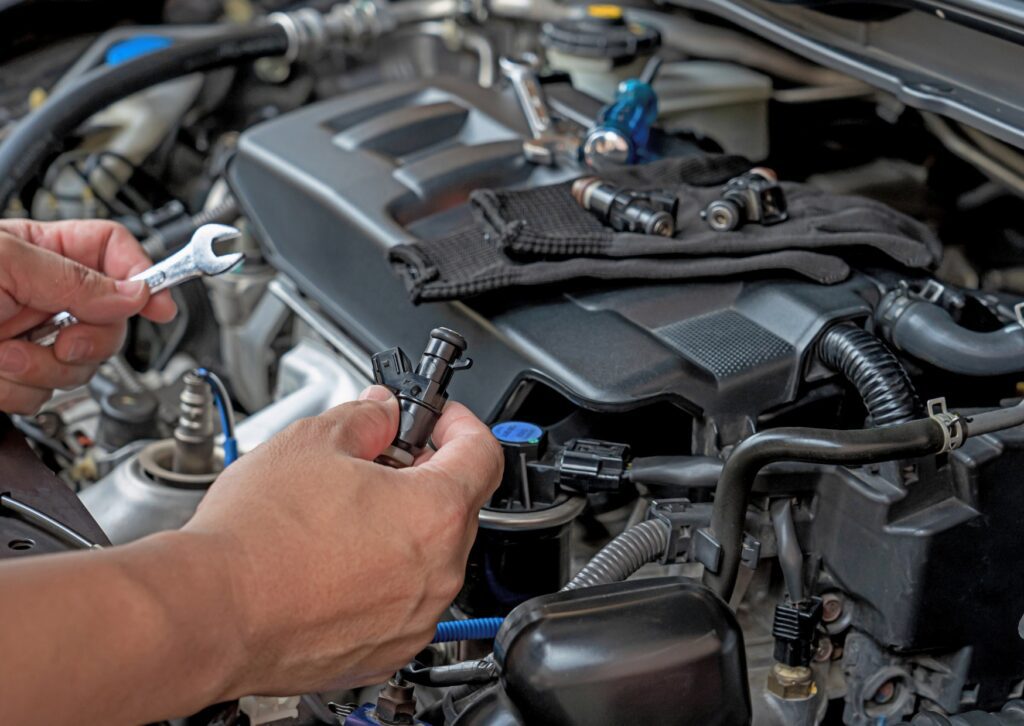
Your fuel pump (the pump inside the tank on many vehicles) is the muscle that moves gasoline forward. When you have a failing fuel pump, it may work sometimes and struggle other times. That is why symptoms can feel random.
A faulty fuel pump can lead to:
- Low fuel pressure, especially when accelerating or climbing hills
- Inconsistent fuel pressure that makes the car surge or hesitate
- The engine sputters at highway speeds
- Trouble starting, sometimes paired with electrical clicking when you turn the key
If ignored, the end result can be fuel pump failure. When that happens, the engine may crank but not start because fuel to the engine is not reaching the injectors. In some cases, you may hear that whining noise get louder right before the pump quits.
Because modern systems are tightly controlled, diagnosing a fuel system problem correctly matters. You want to confirm whether the issue is the pump itself, the wiring, a restriction in the fuel filter, or a pressure control issue like a fuel pressure regulator.
How Can Leaking Fuel Lines, Fuel Leaks, And Fuel Tank Problems Turn Into Safety Hazards?

When people think “fuel problems,” they think of performance. But leaking fuel lines and fuel leaks are also about safety. Gasoline vapor is flammable, and leaking fuel can become dangerous quickly.
Key areas a technician checks include:
- Fuel lines running under the vehicle for wetness, cracks, or rubbing damage
- Connections near the fuel tank and along the system for seepage
- The gas tank area for signs of impact damage, corrosion, or loose fittings
- Signs of leaking fuel around the engine bay, where heat sources can raise risk
Even a small leak can lead to a fuel smell and drip that worsens over time. If you see a noticeable drop in fuel level without driving much, or you smell raw fuel, get the vehicle inspected immediately. Fuel leaks are one of those problems where “waiting to see” can turn a manageable fix into bigger repairs or safety hazards.
How Does A Faulty Fuel Pressure Regulator Create Inconsistent Fuel Pressure And Reduced Fuel Efficiency?
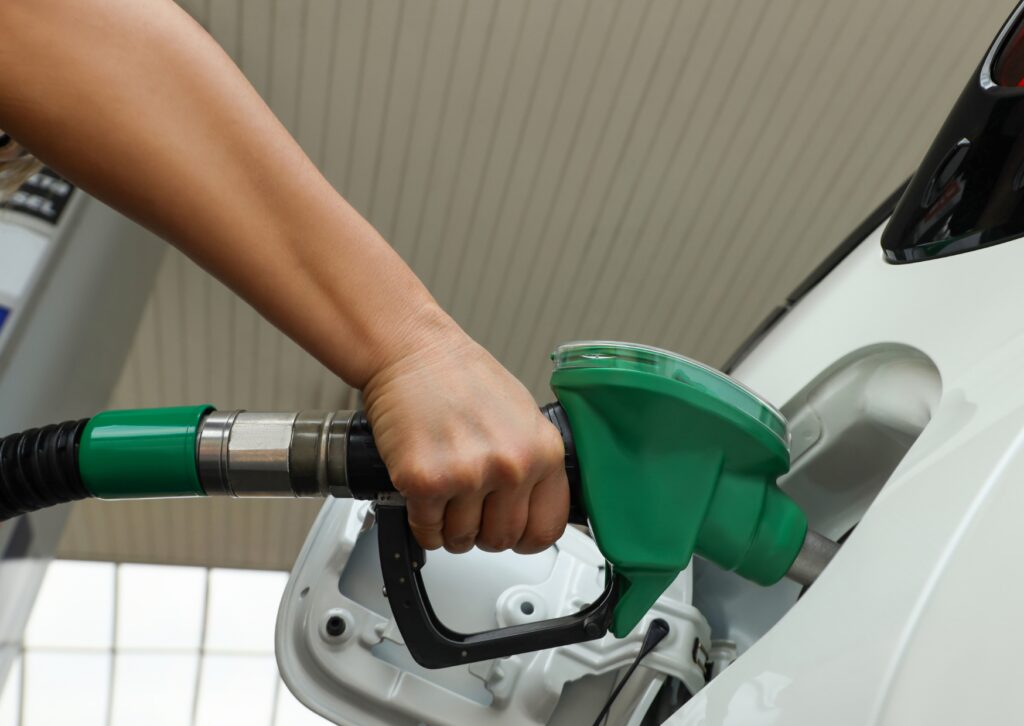
A fuel pressure regulator helps keep fuel pressure steady so the injectors can deliver the right spray pattern. If you have a faulty fuel pressure regulator (or a failing fuel pressure regulator), pressure can swing too low or too high.
What that can look like in real life:
- Too low: Low fuel pressure causes hesitation, poor acceleration, misfires, and reduced performance.
- Too high: The engine may run rich, lose fuel efficiency, foul spark plugs, and smell like fuel.
Either way, inconsistent fuel pressure creates drivability complaints that feel like the car cannot decide what it wants to do. It can also contribute to carbon deposits because combustion is not clean.
This is where routine inspections help. A quick pressure test can tell whether the pressure regulator is doing its job, and whether the system can maintain stable pressure under load.
How Do Carbon Deposits And Clogged Fuel Affect Engine Misfires, Rough Idling, And Overall Performance?

When combustion is not balanced, your Toyota may show classic performance issues:
- Rough idling
- Engine misfires
- Engine sputtering or starts sputtering when you pull away from a stop
- Reduced performance at high speeds
- Poor fuel economy that creeps up over months
Carbon deposits often build where fuel and air meet heat: Intake valves, injector tips, and combustion areas. If your injectors cannot deliver cleanly, the engine loses optimal engine performance because the air and fuel mixture becomes uneven.
Also, do not forget the basics that tie into fuel efficiency. Worn spark plugs can make combustion weaker and can amplify misfire symptoms. When the engine is not firing cleanly, fuel economy suffers, and you can see decreased fuel efficiency even if you have not changed your driving habits.
The key is not guessing. A good diagnostic process checks fuel delivery, ignition health, and air intake so you fix the root cause instead of chasing symptoms.
What Does Fuel System Maintenance Look Like For A Healthy Fuel System In Peak Condition?
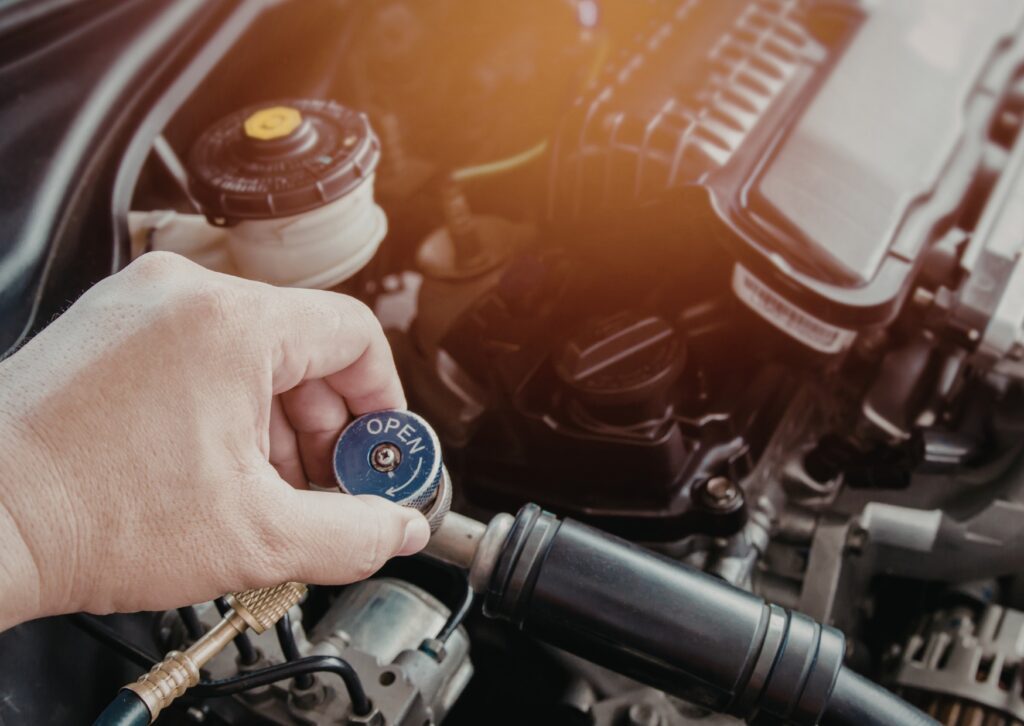
Fuel system maintenance is not one single service. It is a routine plan that keeps the car’s fuel system clean, sealed, and operating smoothly so the vehicle stays in peak condition.
Here is a simple, real-world maintenance approach Toyota owners can follow:
- Follow factory schedules for regular maintenance and regular inspections.
- Replace the fuel filter if your vehicle design uses a serviceable one and inspection shows restriction or contamination risk.
- Inspect fuel lines and fittings for seepage, cracking, and rubbing that could become leaking fuel lines.
- If drivability symptoms show up, test fuel pressure, verify the fuel pressure regulator operation, and confirm the pump can maintain pressure under load.
- Address injector performance early, especially if you have clogged fuel injector symptoms, to protect the vehicle’s performance and fuel efficiency.
If you are in Loveland and you want a shop that can guide you through the right next step without guesswork, Metric Motors can inspect the system, identify the fuel system problem, and help you prioritize what matters now versus what can be planned. Their appointment flow is also built around real life, including options like text updates and loaner availability so your day does not fall apart while your car is in the bay.

Ready to stop the sputtering, protect your engine, and get your Toyota back to smooth power? Schedule your fuel system inspection and routine maintenance with Metric Motors today. Call today at 970-667-2044.
Final Thoughts
Fuel problems are rarely “just one thing.” A clogged fuel filter, contaminated fuel, a failing fuel pump, or a faulty fuel pressure regulator can all create the same frustrating symptoms, from trouble starting to poor acceleration and reduced fuel efficiency. The best move is to treat common signs like early warnings, get the system tested, and stick with a maintenance routine that keeps fuel flow consistent and your engine running clean.
Book your next service with Metric Motors at and get a clear plan to diagnose and prevent fuel system issues before they turn into costly repairs.
Works Cited
“Fuel Economy.” Energy Saver, U.S. Department of Energy, https://www.energy.gov/energysaver/fuel-economy. Accessed 18 Dec. 2025.
“Gas Mileage Tips: Keeping Your Vehicle in Shape.” FuelEconomy.gov, U.S. Department of Energy, https://www.fueleconomy.gov/feg/maintain.jsp. Accessed 18 Dec. 2025.
“Selecting the Right Octane Fuel.” FuelEconomy.gov, U.S. Department of Energy, https://www.fueleconomy.gov/feg/octane.shtml. Accessed 18 Dec. 2025.
“Gasoline Sulfur.” U.S. Environmental Protection Agency, https://www.epa.gov/gasoline-standards/gasoline-sulfur. Accessed 18 Dec. 2025.
“Gasoline Standards.” U.S. Environmental Protection Agency, https://www.epa.gov/gasoline-standards. Accessed 18 Dec. 2025.
“49 CFR 571.301: Standard No. 301; Fuel System Integrity.” eCFR, U.S. Government Publishing Office, https://www.ecfr.gov/current/title-49/subtitle-B/chapter-V/part-571/subpart-B/section-571.301. Accessed 18 Dec. 2025.
“Complying with the FTC Fuel Rating Rule.” Federal Trade Commission, https://www.ftc.gov/business-guidance/resources/complying-ftc-fuel-rating-rule. Accessed 18 Dec. 2025.
Frequently Asked Questions:
Can A Clogged Fuel Filter Cause Reduced Fuel Efficiency And Poor Acceleration?
Yes. A clogged fuel filter can restrict fuel flow, lower fuel pressure, and lead to reduced fuel efficiency, decreased fuel efficiency, poor acceleration, and engine performance problems like hesitation or start sputtering.
What Happens If I Keep Driving With A Failing Fuel Pump Or a Faulty Fuel Pump?
A failing fuel pump can cause low fuel pressure, inconsistent fuel pressure, reduced performance at high speeds, and trouble starting. If it progresses to fuel pump failure, your vehicle may crank but not start because fuel to the engine is not being delivered correctly.
How Do Contaminated Fuel And Bad Fuel Lead To Clogged Fuel Injectors?
Contaminated fuel, faulty fuel, low-quality fuel, or bad fuel can carry other contaminants and other impurities that create carbon deposits and restrict injector spray patterns. That can cause rough idling, engine misfires, reduced fuel efficiency, and a drop in the vehicle's performance.
When Should I Schedule Fuel System Maintenance If I Suspect A Fuel System Problem?
Schedule service as soon as you notice common signs like trouble starting, rough idling, engine sputtering, reduced fuel efficiency, or fuel odors that could point to fuel leaks or leaking fuel lines. Early fuel system maintenance helps prevent costly repairs and protects a healthy fuel system.